Beyond the Tivoli Glow: Where Copenhagen’s True Treasures Hide
Ever wondered what lies beyond the postcard-perfect streets of Copenhagen? I ditched the crowds and stumbled upon quiet courtyards, local workshops, and handcrafted wonders you won’t find in guidebooks. From smørrebrød served on heirloom porcelain to amber-laced jewelry molded by sea winds, this city’s soul lives in its specialty products. Let me take you where maps don’t reach—where every item tells a Danish story. This is not about ticking off landmarks, but about slowing down, looking closely, and connecting with the quiet pulse of a culture that values craftsmanship, sustainability, and everyday beauty. Here, travel becomes a tactile experience—one shaped by the weight of a hand-thrown mug, the gleam of sun-warmed amber, and the scent of rye bread baking in a neighborhood oven.
The Allure of the Unseen Copenhagen
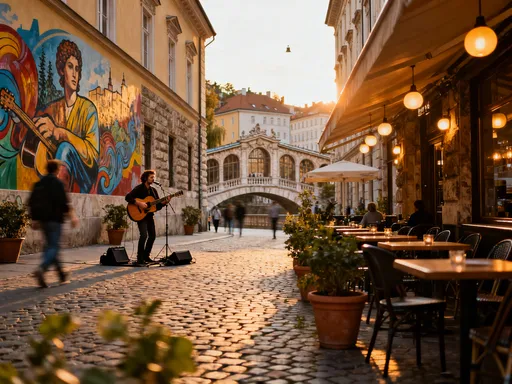
Copenhagen’s charm extends far beyond the candy-colored facades of Nyhavn and the twinkling lights of Tivoli Gardens. While these landmarks draw millions each year, they represent only a fraction of what the city truly offers. For those willing to wander just a few blocks off the beaten path, a more intimate, authentic Copenhagen reveals itself—one shaped by tree-lined side streets, ivy-covered courtyards, and the low hum of daily life in residential neighborhoods. This is where locals live, create, and gather, and where the city’s cultural heartbeat resonates most clearly. Places like Nørrebro, with its mosaic of cultures and independent spirit, or Christianshavn, where narrow canals mirror the quiet elegance of Amsterdam but without the throngs, invite travelers into a slower, more meaningful rhythm of exploration.
What makes these areas so compelling is not just their beauty, but their sense of belonging. Unlike the curated experience of tourist zones, these neighborhoods thrive on authenticity. A morning walk through Nørrebro’s backstreets might reveal a grandmother hanging laundry from a wrought-iron balcony, a baker pulling warm rugbrød from the oven, or a street artist adding color to a once-gray wall. These are not performances for visitors—they are the real, unscripted moments that define life in Copenhagen. And within this fabric of daily existence, small-scale creativity flourishes. Independent designers, ceramicists, and food artisans operate out of converted garages, shared studio spaces, and tiny storefronts, often unnoticed by the average tourist but deeply embedded in the community.
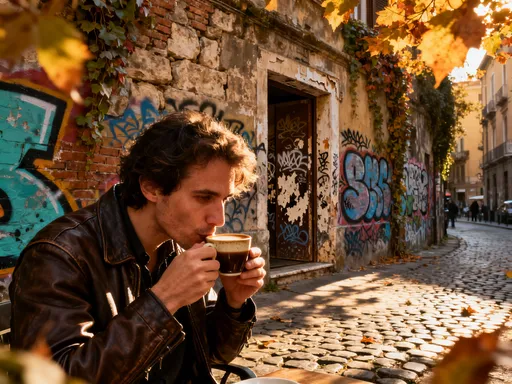
Choosing to explore these quieter corners is more than a logistical shift—it’s a mindset. It means trading checklist tourism for curiosity, and consumption for connection. Instead of snapping photos from a canal boat, you might pause to chat with a shopkeeper arranging hand-dyed linen in a window display. Rather than rushing from one museum to the next, you could spend an hour sipping coffee in a sunlit courtyard, watching a metalsmith polish a silver pendant. These encounters may seem small, but they accumulate into a richer understanding of Danish culture—one rooted not in spectacle, but in the quiet dignity of craft, care, and continuity. The unseen Copenhagen rewards those who look closely, listen deeply, and move with intention.
Hunting for Danish Design in Hidden Ateliers
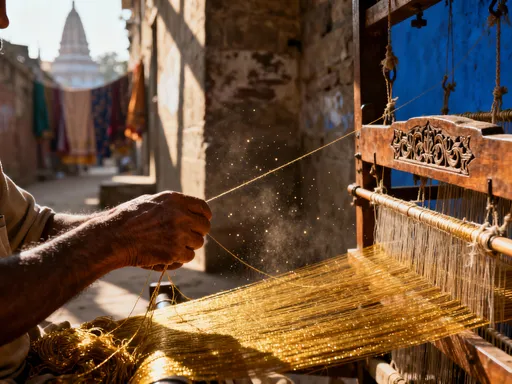
Denmark’s reputation as a global design capital is well earned, but its most compelling creations often lie outside the glossy showrooms of Strøget and Østergade. The true essence of Danish design—rooted in simplicity, functionality, and deep respect for materials—thrives in the city’s hidden ateliers. These are not large factories or international brands, but intimate workshops where one or two designers spend weeks shaping a single piece of furniture, weaving a bolt of linen, or throwing a set of ceramic bowls on a potter’s wheel. To find them, you must learn to read the city differently: look for unmarked doors in old brick buildings, handwritten signs taped to glass windows, or the faint glow of a kiln through a high basement window.
Many of these studios are tucked into repurposed industrial spaces, particularly in districts like Refshaleøen or the northern stretches of Nørrebro. Former warehouses now house shared creative compounds where potters, textile artists, and woodworkers share tools, ideas, and inspiration. These collaborative environments foster innovation while preserving tradition. A ceramicist might experiment with ash glazes derived from local forests, while a furniture maker uses sustainably sourced oak to create pieces that age gracefully over time. What unites them is a commitment to quality over quantity, and to making objects that are not only beautiful but meant to be used, cherished, and passed down.
One of the most distinctive qualities of these hidden designers is their relationship to nature. Materials are chosen with intention—linen from European flax, clay dug from Danish riverbeds, wool from local sheep. Dyes are often plant-based: onion skins yield soft golds, woad produces gentle blues, and birch bark infuses textiles with earthy browns. Even the lighting in these studios is considered carefully; large north-facing windows allow for consistent, shadow-free daylight, essential for precision work. Visitors who take the time to seek out these spaces often leave with more than a purchase—they gain insight into a philosophy that sees design not as decoration, but as a way of living thoughtfully and sustainably.
Locating these ateliers requires patience and a bit of local knowledge. Some open only by appointment, while others participate in annual events like Copenhagen Craft Week, when hundreds of makers invite the public into their studios. Others can be found through small design cooperatives or neighborhood art walks. The effort is worth it. A hand-thrown mug with an imperfect rim, a linen napkin dyed in seasonal hues, or a stool shaped from a single piece of wood—these are not just objects, but quiet declarations of care in a world of mass production.
The Craft Behind the Glass: Amber and Silver Secrets
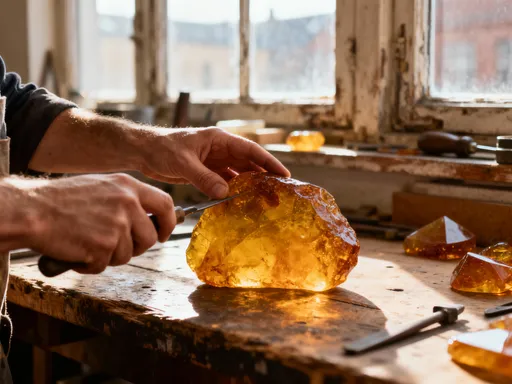
Amber has washed up on the shores of the Baltic Sea for millennia, carried by currents and shaped by wind and water. In Denmark, this fossilized resin is more than a gemstone—it is a link to the past, a symbol of resilience, and a medium for quiet artistry. While tourists often buy amber from souvenir stalls, the most meaningful pieces are crafted in small, family-run jewelry studios, many of which have operated for generations. These are not factories, but intimate workshops where artisans spend hours cutting, polishing, and setting each stone by hand, often working at simple benches lit by natural light.
One of the most remarkable aspects of Baltic amber is its unpredictability. Some pieces contain tiny inclusions—fragments of ancient insects, plant matter, or air bubbles—that tell stories millions of years old. Skilled jewelers know how to preserve these delicate features, framing them in minimalist settings that allow the stone to speak for itself. Silver, often recycled or ethically sourced, is the preferred metal, chosen for its soft luster and compatibility with amber’s warm tones. The designs themselves reflect a distinctly Danish aesthetic: clean lines, subtle geometry, and a reverence for natural form. A pendant might echo the curve of a seashell, while a ring setting could mimic the ripple of water.
These studios are often found in quieter parts of the city, away from the commercial hubs. Near Assistens Cemetery in Nørrebro, for example, a cluster of boutiques and workshops specialize in handmade jewelry. In Vesterbro, tucked into a narrow lane, a third-generation goldsmith might welcome visitors to watch him shape a custom clasp or adjust a chain. These are not performances for tourists, but glimpses into a living tradition. Some artisans offer short demonstrations or allow customers to try on pieces in a relaxed, unhurried setting—no pressure, no scripts, just conversation and craftsmanship.
Purchasing amber jewelry directly from these makers carries a deeper significance. It supports local artisanship, ensures transparency in sourcing, and connects the wearer to a lineage of skill and patience. Unlike mass-produced items, each piece bears the mark of its creator—the slight variation in polish, the unique shape of the stone, the hand-soldered joint. To wear such a piece is to carry a fragment of Danish coastline, shaped not by machines, but by human hands that understand the value of time and attention.
Edible Art: From Fermented Herring to Caramelized Rye
Copenhagen’s culinary reputation often centers on its Michelin-starred restaurants and avant-garde tasting menus, but a quieter, equally profound food culture thrives in its neighborhoods. Here, micro-producers and artisanal delis preserve and reinvent Nordic food traditions through small-batch specialties that celebrate seasonality, fermentation, and local terroir. These are not industrial products, but edible stories—each jar, tin, or wrapped package the result of careful labor and deep knowledge. From smoked cod liver pâté to caramelized rye spreads, these items offer a taste of Denmark that is rich, complex, and deeply rooted in place.
Fermentation plays a central role in this culinary tradition. Once a method of preservation in long winters, it has evolved into a craft of flavor development. Small producers ferment everything from cabbage to cloudberries, using time-honored techniques passed down through generations. A jar of house-cultured sauerkraut might be aged for six weeks, developing a tangy depth that store-bought versions cannot replicate. Similarly, fermented dairy products—like skyr or cultured butter—are made with heirloom cultures that impart unique textures and flavors. These foods are not only delicious but also valued for their probiotic benefits, aligning with Denmark’s growing interest in health-conscious, natural eating.
One of the most beloved ingredients in this edible art is rye. Rugbrød, Denmark’s dense, dark rye bread, is a staple of the national diet, and its flavors inspire a range of specialty products. Artisans create spreads by slow-cooking rye flour with malt, molasses, and spices until it reaches a rich, molasses-like consistency. These spreads pair perfectly with sharp cheese, pickled herring, or even vanilla ice cream for a surprising dessert. Other producers infuse honey with wild thyme or bog myrtle, capturing the essence of Danish heaths and forests in golden jars. Smoked fish products—like mackerel pâté or cured salmon—are prepared in small smokehouses using traditional methods, ensuring a depth of flavor that mass production cannot achieve.
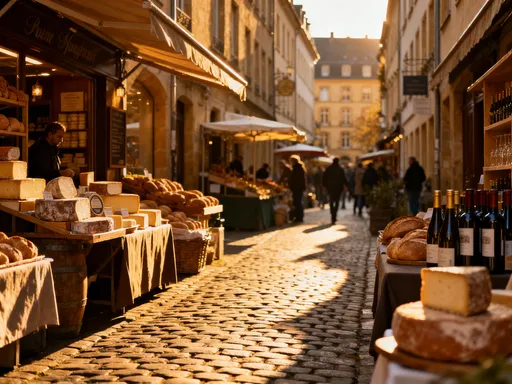
Finding these edible treasures requires knowing where to look. Neighborhood food markets, such as those in Nørrebro Torv or on the outskirts of Christianshavn, often feature rotating vendors who sell directly from their kitchens. Some are hidden in plain sight—tiny grocery nooks tucked between cafes and laundromats, where shelves are lined with hand-labeled jars and wax-sealed tins. Shopping here is not just transactional; it is relational. Vendors often share stories about their ingredients, explain their methods, or offer samples with a smile. To buy a jar of pickled vegetables or a wedge of aged cheese is to participate in a network of care, seasonality, and community.
Ceramics with a Nordic Soul
Danish ceramics are celebrated for their quiet elegance—simple forms, muted colors, and a profound sense of presence. But behind every plate, mug, or vase is a process shaped by fire, earth, and human intention. While internationally known brands like Royal Copenhagen dominate retail shelves, the most expressive ceramic work happens in small studios across the city. These potters work with clays sourced from Danish soil, firing their pieces in wood-burning kilns or electric ovens that allow for precise control. The results are not perfect, but alive—each piece bearing the subtle marks of its making: a thumbprint in the handle, a variation in glaze, a slight warp from the heat.
What distinguishes these ceramics is their emotional resonance. A well-made Danish mug feels balanced in the hand, its weight and curve designed for comfort and use. Plates are not merely decorative; they are meant to hold food with dignity, their textures enhancing the experience of eating. Vases often mimic natural forms—the curve of a dune, the edge of a wave—inviting flowers to become part of a larger composition. This philosophy, known as “form follows function,” is deeply embedded in Danish design, but here it is expanded to include emotion: form follows function, and feeling.
Studios can be found in unexpected places—Frederiksberg’s quiet side streets, community art centers in Amager, or shared workspaces in Valby. Some potters open their doors on weekends, inviting visitors to watch the wheel in motion or browse shelves of finished work. Others collaborate with local cafes, supplying custom tableware that enhances the dining experience. The relationship between maker and user is direct, unmediated by branding or marketing. A customer might commission a set of bowls for a wedding gift, or return year after year to collect new pieces as they are released.
The materials themselves tell a story. Local clays bring a particular grain and color, while glazes are often formulated from natural minerals. Wood-fired pieces develop unique ash deposits and flame patterns, making each one a one-of-a-kind artifact. Even the firing process is an act of patience—some kilns run for days, requiring constant monitoring. This dedication to process, rather than profit, is what gives these ceramics their soul. To own one is to possess not just an object, but a moment of stillness, a reminder of the beauty found in slowness and care.
Navigating the Local Markets Beyond Torvehallerne
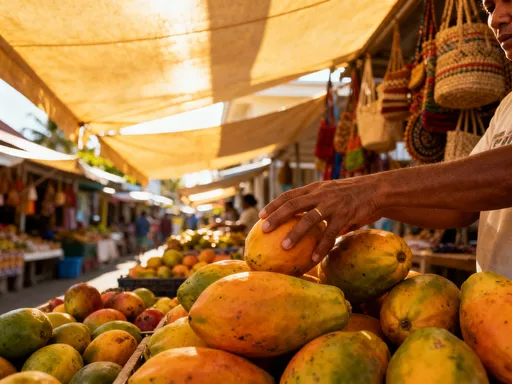
Torvehallerne, with its gleaming stalls and international visitors, is often the first stop for food lovers in Copenhagen. But for those seeking a more grounded experience, the city’s hyper-local markets offer richer rewards. These are not tourist destinations, but community hubs where neighbors gather, vendors share recipes, and the rhythm of the week is marked by market days. Nørrebro Torv, for instance, comes alive on weekends with farmers, bakers, and crafters selling everything from organic vegetables to handmade beeswax wraps. Reffen, a street food harbor built on a former industrial site, features over sixty vendors serving global cuisines alongside Danish specialties, all in a vibrant, open-air setting.
What sets these markets apart is their fluidity. Unlike permanent food halls, many operate on a rotating basis, with different vendors appearing each week. This creates a sense of discovery—visitors never know exactly what they’ll find. One Saturday might bring a beekeeper selling raw honey infused with rosehip, while the next could feature a textile artist offering linen produce bags dyed with onion skins. Pop-up markets on the periphery of Christiania—respecting the area’s rules and cultural sensitivity—showcase handmade soaps, herbal teas, and upcycled accessories, often made by residents or local collectives.
Navigating these spaces requires a shift in mindset. There are no maps, no app-based guides, and few signs in English. Instead, exploration is guided by smell, sight, and conversation. A whiff of roasting coffee might lead to a small-batch roaster pouring samples from a vintage machine. A display of hand-stitched aprons could spark a chat with the maker about sustainable fashion. The etiquette is simple: arrive early for the best selection, bring reusable bags, and engage vendors with genuine curiosity. A simple “Hvordan laver du det?” (“How do you make that?”) can open a door to deeper understanding.
These markets are more than places to shop—they are living expressions of Copenhagen’s values. They prioritize sustainability, support small-scale production, and foster community. Buying a jar of fermented vegetables or a hand-carved spoon here is not just a transaction; it is an act of participation in a culture that values care, connection, and craftsmanship. For the mindful traveler, they offer some of the most authentic and rewarding experiences in the city.
Bringing It Home: Ethical and Meaningful Souvenirs
In an age of mass production and global supply chains, the act of choosing a souvenir has taken on new significance. No longer just mementos, souvenirs can be statements of values—choices that reflect respect for people, planet, and tradition. In Copenhagen, the most meaningful keepsakes are not found in airport gift shops, but in the hands of local makers: a linen napkin from a Nørrebro weaver, a rye spread from a micro-producer, or a silver-and-amber pendant crafted in a Vesterbro studio. These items carry more than aesthetic appeal; they carry stories, intentions, and a quiet dignity that mass-produced trinkets cannot match.
Choosing such souvenirs requires attention. Look for signs of origin: Is the item labeled with the maker’s name? Was it produced locally? Does the seller speak knowledgeably about materials and process? These are indicators of authenticity. Supporting fair labor practices is equally important—many small artisans work long hours for modest returns, and paying a fair price ensures their craft can continue. When possible, buy directly from the maker or a trusted cooperative that guarantees ethical standards.
Packing and transporting these items also matters. Fragile ceramics should be wrapped in soft cloth and placed in rigid boxes. Food products must comply with customs regulations, especially when traveling internationally. But beyond logistics, there is an emotional dimension to bringing these pieces home. A hand-thrown mug becomes part of your morning ritual. A jar of rye spread transforms a simple sandwich into a memory. A piece of jewelry connects you to the sea-worn shores of Denmark every time you wear it.
In the end, the true value of these souvenirs lies not in their price or rarity, but in their ability to carry meaning. They are not just things, but vessels of experience—quiet ambassadors of Copenhagen’s hidden heart. By choosing them, you do more than remember your trip; you honor the people, traditions, and values that make this city so special. And in doing so, you keep the spirit of authentic travel alive—one thoughtful, handcrafted piece at a time.