You Won’t Believe These Hidden Natural Wonders Outside Thimphu
Tucked in the eastern Himalayas, Thimphu, Bhutan, is more than just a quiet capital—it’s a gateway to untouched nature. I went searching for peace and found something far greater: silent forests, sacred rivers, and mountain trails that feel like secrets whispered by the land itself. If you’re craving raw, unspoiled beauty away from crowds, this is your sign. Let me take you beyond the map to where nature still rules. This is not a place shaped by mass tourism or concrete sprawl. Instead, it’s a landscape protected by centuries-old traditions and national policies that put harmony with nature above all else. Here, the air is crisp, the silence is deep, and every path leads deeper into a world that feels alive with presence and purpose.
Beyond the City: Why Thimphu’s Natural Surroundings Stand Out
Thimphu is unlike any other national capital in Asia. Nestled in a deep valley at an elevation of about 2,300 meters, it rises modestly along the banks of the Wang Chuu River, surrounded on all sides by thickly forested mountains. Unlike bustling metropolises such as Kathmandu or Dhaka, Thimphu has no traffic lights, no high-rise buildings dominating the skyline, and no sprawling industrial zones. Its urban footprint is intentionally small, designed to coexist with the natural world rather than conquer it. This balance is not accidental—it is the result of Bhutan’s unique development philosophy centered on Gross National Happiness, which prioritizes environmental conservation, cultural preservation, and sustainable growth.
What makes Thimphu truly exceptional is how seamlessly the city blends into its surroundings. Just a short walk from the central clock tower, the sounds of conversation fade and are replaced by the rustle of leaves and the distant call of birds. The city’s boundaries are not marked by fences or highways but by subtle transitions—where the last house gives way to a prayer-flagged trail leading uphill into the trees. This integration of urban life with wilderness is rare in the modern world, especially in a region where rapid development often comes at the expense of green spaces. In Thimphu, nature is not a park you visit; it is the very fabric of daily life.
Bhutan’s national commitment to environmental protection ensures that this harmony endures. The country mandates that at least 60 percent of its land remain under forest cover—a target it exceeds, with over 70 percent of Bhutan still forested. It is also one of the few carbon-negative countries in the world, absorbing more carbon dioxide than it emits. These policies are deeply rooted in Buddhist values that view nature as sacred and all living beings as interconnected. As a result, even as Thimphu grows, its expansion is carefully regulated to minimize ecological disruption. This makes the city not just a political capital, but a model of how human communities can thrive in balance with the natural world.
The Secret Valley Trails Only Locals Knew—Until Now
Just beyond the outskirts of Thimphu lie hidden trails that have long been known only to monks, herders, and local families making seasonal pilgrimages. These paths wind through high-altitude forests and alpine meadows, offering solitude and serenity unmatched by more popular tourist routes. One such trail begins near Changangkha Temple, a 13th-century monastery perched on a ridge overlooking the city. From here, a narrow footpath descends into a rhododendron-rich valley, where spring brings bursts of crimson, pink, and white blooms that carpet the hillsides. The scent of pine and damp earth fills the air, and the only sounds are the wind in the canopy and the occasional flutter of wings overhead.
Another lesser-known route leads into the Lungchhu Nature Reserve, a protected area that stretches along a pristine river corridor northeast of the city. This trail is not marked on most tourist maps, and few guided tours include it, making it a true escape from even the lightest footfall of tourism. As I walked this path in early summer, I encountered only two other hikers—a local couple collecting medicinal herbs. The trail followed a clear, fast-moving stream, crossing it several times on stone slabs placed just above the waterline. Ferns lined the path, and moss clung to ancient tree trunks, giving the forest an almost enchanted quality. At one point, I paused to sit on a boulder and simply listen. The silence was not empty but full—vibrant with the subtle rhythms of the natural world.
What struck me most was the sense of spiritual stillness that permeates these trails. This is not merely scenic beauty; it is land imbued with meaning. Prayer flags flutter at crossroads, and small stone chortens mark spots where travelers pause to reflect or offer silent thanks. Many of these paths were originally used by monks traveling between monasteries, and that contemplative energy remains. Walking them feels less like hiking and more like pilgrimage—a slow, mindful journey inward as much as outward. For visitors seeking not just views but a deeper connection to place, these secret valleys offer something rare: the chance to move through nature with reverence and quiet awareness.
River Journeys: Following the Flow of the Wang Chuu
The Wang Chuu River—also known as the Thimphu Chuu—is the lifeblood of the valley, shaping both the land and the lives of those who live along its banks. Originating in the snowfields of the Himalayas, it flows swiftly through Thimphu, its waters clear and cold, fed by glacial melt and seasonal rains. The river’s path has carved deep gorges and fertile floodplains over millennia, creating a diverse ecosystem that supports everything from trout to kingfishers. For locals, the Wang Chuu is more than a water source; it is a sacred entity, believed to carry blessings and spiritual energy. Rituals are performed on its banks, and offerings are sometimes placed in its currents during religious festivals.
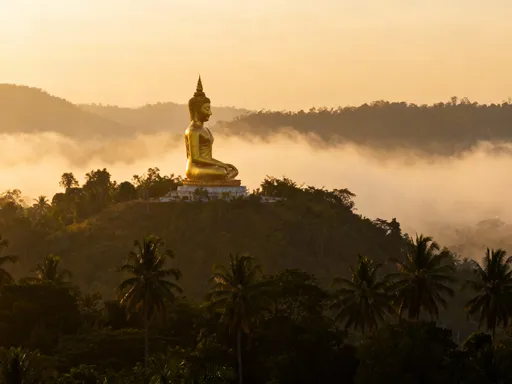
While the river passes through the heart of the city, there are stretches where it remains untouched and quiet—places where you can sit on a smooth stone and feel a world away from any urban setting. One such spot is downstream from the Buddha Dordenma statue, where the river bends around a grove of willow trees. Here, the noise of vehicles fades, and the only movement is the flicker of dragonflies above the water. Families often come here for quiet picnics, spreading cloths on the grass and sharing simple meals of rice, dried yak cheese, and fruit. It’s a place of gentle communion—between people, between generations, and between humans and nature.
For those interested in wildlife, the riverbanks offer excellent opportunities for birdwatching. During my visit in late spring, I spotted a white-throated kingfisher perched on a low branch, its vivid blue feathers flashing in the sunlight. Along the quieter tributaries, I also saw wagtails, dippers, and a pair of Himalayan griffons circling high above. The river’s edge bursts with seasonal wildflowers—purple irises, yellow buttercups, and delicate primroses—that attract butterflies and bees. These small wonders are easy to miss if you’re rushing, but they reward those who walk slowly and pay attention. The Wang Chuu, in all its quiet power, reminds us that beauty often flows not in grand gestures but in the steady, unassuming rhythm of life.
Forest Sanctuaries: Where Nature Feels Alive
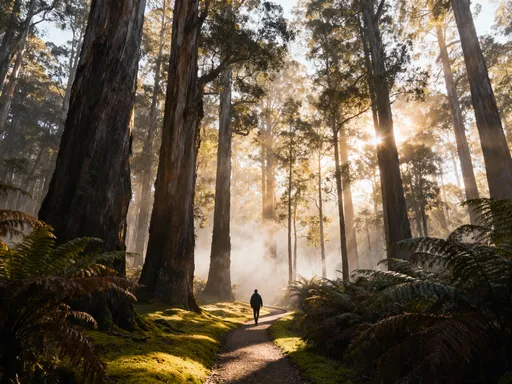
Encircling Thimphu are vast tracts of temperate broadleaf and coniferous forests, some of the best-preserved in the eastern Himalayas. These woodlands are home to an extraordinary range of plant and animal life, from red pandas and Himalayan black bears to over 400 species of birds. Yet what defines these forests most is not just their biodiversity but their atmosphere—an almost palpable sense of aliveness. Walking through them feels like entering a living cathedral, where sunlight filters through the canopy in golden shafts and the air hums with unseen energy. The trees themselves are ancient—Himalayan cedars, oaks, firs, and birches that have stood for centuries, their trunks wrapped in moss and lichen.
One of the most immersive forest experiences is found along the trail to Cheri Monastery, which climbs steadily through a misty woodland known for its medicinal plants and spiritual significance. As I ascended, the temperature dropped and a soft fog rolled in, muffling sound and blurring the edges of the trees. The only clear things were the crunch of pine needles underfoot and the occasional call of a Himalayan cuckoo. At one point, I stopped to touch the bark of a massive fir—its surface rough and deeply grooved, like the hands of an elder. It was impossible not to feel a sense of awe. These forests are not just scenery; they are elders, witnesses to generations of change, standing in quiet dignity.
What makes these sanctuaries so intact is Bhutan’s strict conservation framework. Logging is highly restricted, and large areas are designated as protected zones or biological corridors that allow wildlife to move freely. Tourism is managed to ensure minimal impact—trails are narrow, facilities are basic, and visitor numbers are limited. This approach means that even as more people discover Bhutan, these forests remain undisturbed. Rangers patrol regularly, and local communities are involved in monitoring and stewardship. The result is a rare gift: the chance to experience wilderness not as a curated exhibit but as a living, breathing entity that asks only for respect in return.
High-Altitude Escapes: Reaching the Hidden Lookouts
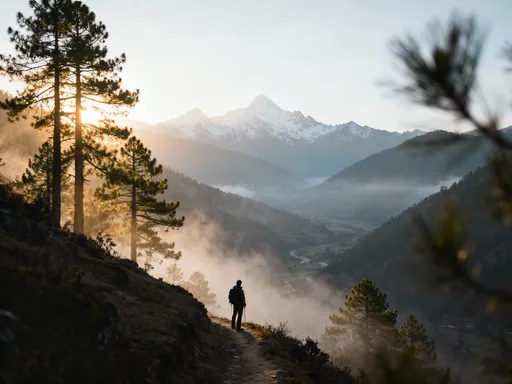
For those willing to climb, the rewards are panoramic: sweeping views of snow-draped peaks, deep green valleys, and the winding silver thread of the Wang Chuu far below. One of the most breathtaking vantage points lies along the upper reaches of the Cheri Mountain trail, where the forest thins and the sky opens up. At around 3,500 meters, the air is thin and crisp, and the silence is profound. From this height, Thimphu appears as a tiny cluster of buildings nestled in the valley, almost swallowed by the scale of the landscape. The contrast is humbling—a reminder of how small human settlements are in the face of ancient mountains.
Reaching these high-altitude lookouts requires preparation but not technical skill. Most trails are well-defined but steep, with natural steps formed by roots and stones. The best time to visit is from late spring to early autumn, when the weather is stable and the skies are clear. Mornings offer the clearest views, before clouds roll in during the afternoon. Hikers should carry warm layers, as temperatures can drop quickly, even in summer. A sturdy pair of boots, a refillable water bottle, and high-energy snacks like dried fruit and nuts are essential. Sunscreen and a wide-brimmed hat are also recommended, as the Himalayan sun is intense at elevation.
Equally important is respecting local customs. Many of these trails lead to sacred sites, and visitors are expected to behave with decorum—refraining from loud noises, picking plants, or straying from marked paths. It is customary to walk clockwise around chortens and temples, and to avoid pointing your feet toward religious objects. These practices are not mere formalities; they reflect a deep cultural belief in living in harmony with the land. By following them, visitors do more than show respect—they become part of a tradition that has protected these places for centuries.
Sustainable Exploration: How to Visit Without Harming the Wild
Bhutan’s approach to tourism is one of the most responsible in the world. The government enforces a “High Value, Low Impact” policy, which means that visitors pay a daily tariff that covers accommodation, meals, transport, and a sustainable development fee. This model ensures that tourism benefits local communities and funds conservation efforts, rather than degrading the very resources that attract visitors. The fee also limits the number of tourists, preventing overcrowding and preserving the sense of solitude that makes places like Thimphu so special.
But policy alone is not enough. Each traveler has a role to play in protecting these fragile environments. Simple actions make a difference: staying on designated trails prevents soil erosion and protects plant life. Carrying out all trash—even biodegradable items like fruit peels—helps maintain the natural balance, as foreign organic matter can disrupt local ecosystems. Avoiding plastic bottles by using a reusable container reduces pollution and supports Bhutan’s ban on single-use plastics. Keeping noise levels low allows wildlife to thrive undisturbed and enhances the experience for others seeking peace.
Equally vital is cultural sensitivity. When visiting temples or rural villages, dressing modestly and asking permission before taking photographs shows respect for local norms. Learning a few phrases in Dzongkha, such as “Kuzuzangla” (hello) or “Tashi delek” (good wishes), can go a long way in building goodwill. These gestures, though small, reflect a mindset of mindfulness—one that sees travel not as consumption but as connection. When we travel with care, we become stewards, not just spectators, of the places we visit.
Why These Hidden Spots Are Worth Protecting—And Experiencing
The hidden natural wonders beyond Thimphu offer more than scenic beauty—they offer restoration. In a world where constant connectivity and urban pace can leave us feeling drained, these quiet forests, sacred rivers, and high mountain trails provide a rare opportunity to reconnect with something deeper. Studies have shown that time spent in nature reduces stress, improves mood, and enhances mental clarity. But beyond science, there is a quiet truth that anyone who walks these paths will feel: nature has a way of reminding us who we are. It strips away distractions and returns us to a simpler, more grounded state of being.
These places are not just treasures to be seen; they are legacies to be protected. As more people seek escape from crowded destinations, the pressure on remote areas grows. Yet the strength of Bhutan’s model lies in its foresight—the understanding that true wealth lies not in numbers of visitors but in the quality of their presence. By choosing to visit mindfully, we help ensure that these landscapes remain pristine for future generations. We also set an example, showing that travel can be a force for good—a way to support communities, honor traditions, and heal both the earth and ourselves.
So if you are looking for more than a vacation—if you are seeking a journey that touches the soul—consider Thimphu and its hidden realms. Leave behind the checklists and the crowded landmarks. Seek instead the whisper of wind through ancient trees, the stillness of a mountain lake at dawn, the quiet joy of a path known only to a few. Let your travel be an act of reverence. In doing so, you may find not just beauty in the world, but a deeper sense of peace within yourself. The mountains are waiting. And they have much to say—if only we are willing to listen.