Hidden Gems in Nuku'alofa’s Local Markets You Need to See
Nuku'alofa, Tonga’s vibrant capital, is more than just a quiet island town—it’s a visual feast waiting to be discovered. From colorful market stalls to lively streets lined with local crafts, every corner offers an Instagram-worthy moment. I was blown away by how much character this small city packs into its commercial heart. If you're chasing authenticity and beauty in unexpected places, Nuku'alofa delivers in spades.
First Impressions: Stepping into Nuku'alofa’s Urban Pulse
Arriving in Nuku'alofa, travelers are often surprised by the city’s understated energy. Unlike bustling Pacific capitals with high-rises and traffic jams, Nuku'alofa unfolds gently—a blend of open-air markets, modest storefronts, and wide streets shaded by towering banyan trees. The pace is relaxed, yet there is a quiet hum of activity that pulses through its central districts. The air carries a mix of salt from the nearby harbor, the sweetness of ripe mangoes, and the earthy scent of freshly cut pandanus leaves, setting the tone for a sensory journey unlike any other in Polynesia.
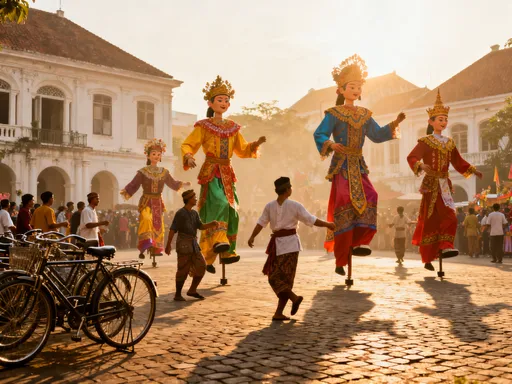
What makes Nuku'alofa unique is how it balances tradition with everyday commerce. Women in long, floral-print dresses walk past small convenience stores playing Fijian gospel music from cracked speakers. Men in traditional ta'ovala mats tied at the waist pause to chat outside phone credit kiosks. This harmony of cultural pride and modern life creates a visual narrative that feels both timeless and contemporary. It's not a tourist stage set; it's real life, unfolding with grace and rhythm.
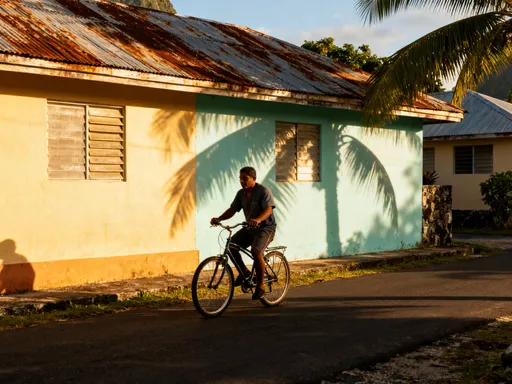
The city center, particularly around Vuna Road and the waterfront, reveals a blend of colonial-era buildings and modest concrete shops, many painted in soft pastels now faded by the tropical sun. Yet this weathered charm adds to the authenticity. There are no neon signs or chain stores—just hand-painted wooden boards advertising 'Fresh Coconuts' or 'Breadfruit for Sale.' For visitors seeking unfiltered island life, Nuku'alofa offers a rare glimpse into how Tongans live, work, and connect in their urban heart.
The Heartbeat of Commerce: Central Market and Surrounding Stalls
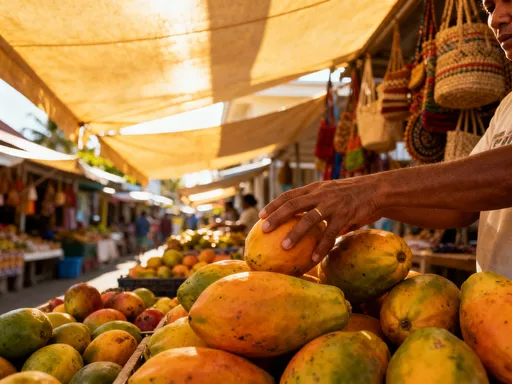
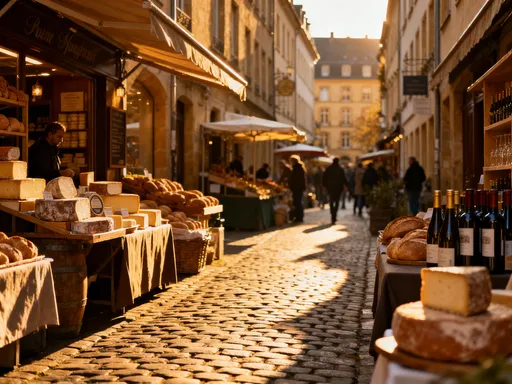
At the core of Nuku'alofa’s daily life lies its Central Market, a lively open-air hub where farmers, artisans, and small traders gather to sell their goods. Located near the wharf, the market operates primarily on weekdays, peaking in the early morning hours when baskets of produce arrive straight from outer islands. Rows of wooden stalls overflow with vibrant colors: crimson papayas, golden pineapples, deep purple taro roots, and bunches of green bananas tied with raffia. Each display is arranged with care, not for aesthetics alone, but as a sign of respect for the land and the buyer.
Vendors treat their stalls like living art installations. Pineapples are stacked in pyramids, coconuts arranged in concentric circles, and baskets of yams displayed like museum pieces. This attention to detail makes the market a dream for photography. The natural lighting during mid-morning, when the sun filters through the canvas awnings, casts a warm glow that enhances the richness of every hue. Shadows drape gently over woven mats, and the occasional breeze lifts the edges of colorful tarpaulins, adding movement to still scenes.
For the most authentic experience, arriving between 7:00 and 9:00 a.m. is ideal. Crowds are smaller, the air is cooler, and vendors are most engaged, often happy to explain the names and uses of unfamiliar fruits. By midday, the heat intensifies, and many stalls begin to pack up. Weekends see fewer vendors, but those who remain often sell specialty items like hand-carved wooden bowls or bundles of dried kava root, making it a quieter but still rewarding visit.
Interacting with vendors is part of the experience. A simple 'Mālō e lelei' (hello) often opens the door to warm conversation. While bargaining is not customary—prices are generally fair and fixed—smiles and curiosity are always welcome. Purchasing a piece of fruit or a small woven fan supports local livelihoods and creates a moment of genuine connection, one that resonates far beyond the transaction.
Street Life as a Visual Story: Shopfronts, Murals, and Daily Rhythms
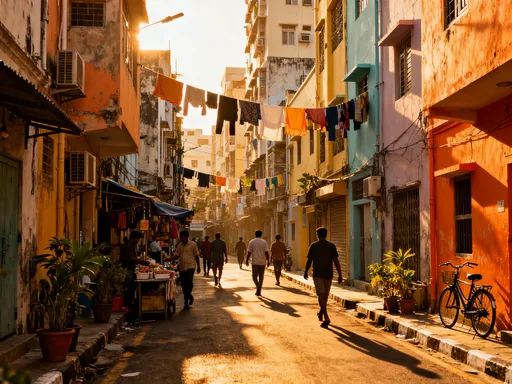
Beyond the market, Nuku'alofa’s commercial streets tell a deeper story through their textures, colors, and rhythms. Talafo’ou Road, one of the main thoroughfares, is a visual timeline of island commerce. Here, family-run shops operate out of converted homes, their front rooms filled with canned goods, flip-flops, and bottled water. Signs are hand-painted in bold block letters: 'Cold Drinks,' 'SIM Cards,' 'Laundry Done Here.' These simple messages, often slightly crooked or peeling, reflect a life lived without excess—a functional beauty born of necessity.
Everyday moments on these streets become compelling visual narratives. A woman balancing a basket of breadfruit on her head walks past a boy pushing a wooden cart loaded with coconuts. A group of elders sits under a mango tree, sipping kava from coconut shells, while children on bicycles weave between parked trucks. These scenes, unposed and unhurried, capture the essence of island time—where life unfolds at its own pace, guided by the sun and the tides.
For photographers and observers, the hidden corners of Nuku'alofa offer some of the most evocative backdrops. A weathered wall covered in layers of old posters reveals decades of community announcements. A rusted metal gate, painted turquoise and adorned with seashells, guards a small family store. Wooden carts with chipped paint stand ready for the next fruit delivery. These details, often overlooked, are rich with texture and history, perfect for close-up shots that convey mood and memory.
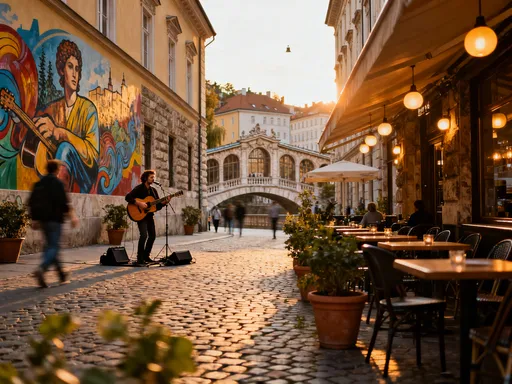
Even the signage tells a story. Tongan language dominates, with English used sparingly. Words like 'Fakalahi' (Welcome) and 'Sia' (Thank you) appear on shop windows, often written in cheerful fonts. Murals, though not widespread, can be found on the sides of community buildings—depictions of canoes, dancers, and volcanic islands, painted in bright, symbolic colors. These artistic touches, though modest, reflect a deep pride in identity and heritage.
Local Brands and Craft Hubs: Where Tradition Meets Modern Design
Scattered throughout Nuku'alofa are small enterprises that celebrate Tongan craftsmanship with quiet dignity. Unlike mass-produced souvenirs sold in resort gift shops, these locally made items carry the imprint of tradition, skill, and cultural meaning. Woven baskets, known as 'kato,' are crafted from pandanus or coconut leaves, their intricate patterns passed down through generations. Each one is unique, shaped by the weaver’s hand and the rhythm of daily life.
Tapa cloth, or 'ngatu,' is another hallmark of Tongan artistry. Made from the bark of the paper mulberry tree, it is beaten into large sheets and decorated with geometric patterns using natural dyes. In Nuku'alofa, visitors can find ngatu for sale in community-run craft centers or during cultural festivals. Some modern designers have begun incorporating tapa into fashion items like tote bags and wall hangings, blending ancestral techniques with contemporary style. These pieces are not just decorative—they are cultural documents, each pattern telling a story of lineage, place, or event.
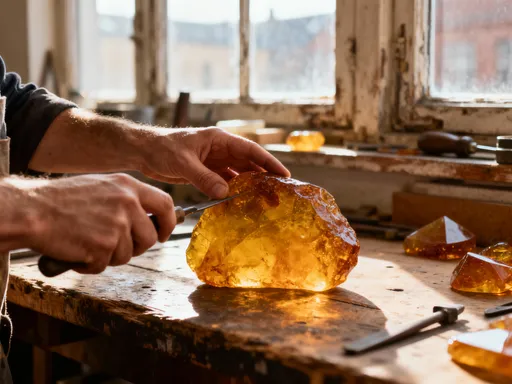
Wood carving is another enduring craft. Small shops near the market sell hand-carved tikis, bowls, and walking sticks, often made from native hardwoods. The carvings are not tourist caricatures but respectful representations of Tongan mythology and daily life. Many of these artisans are part of cooperatives that ensure fair wages and sustainable practices. Buying from them supports economic resilience and cultural preservation.
One such initiative is the Tonga Craftsmen Association, which operates a small retail space in the city center. Here, visitors can meet the makers, watch live demonstrations, and purchase directly. These interactions foster deeper appreciation—seeing a woman weave a kato while her granddaughter plays nearby makes the object more meaningful. It becomes not just a souvenir, but a memory woven into fabric.
Cafés and Eateries with Character: More Than Just a Meal
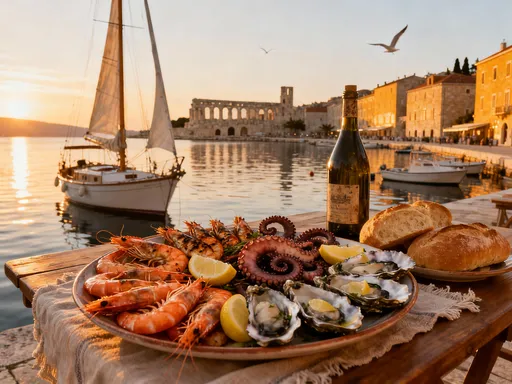
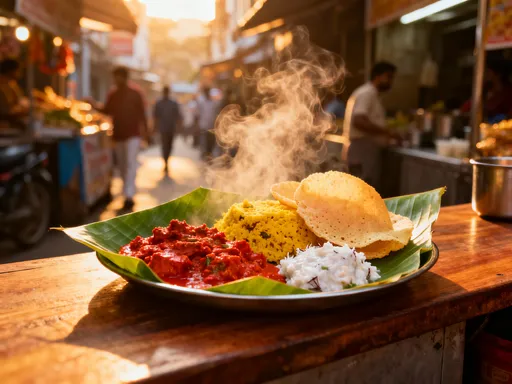
Nuku'alofa’s food scene may not rival cosmopolitan cities, but its local eateries offer charm, flavor, and authenticity in abundance. Along Vuna Road and near the market, small roadside stands and family-run cafés serve up island staples with warmth and care. Many operate from open-air kitchens, where the sizzle of grilled fish and the aroma of coconut milk simmering with taro leaves draw in both locals and visitors.
One popular spot, known simply as 'Mama’s Kitchen,' serves a daily rotating menu of traditional dishes: lu pulu (taro leaves wrapped in corned beef and coconut cream), ota ika (raw fish marinated in citrus and coconut milk), and sweet potato pudding. The setup is humble—a few plastic tables under a shaded awning—but the food is consistently fresh and flavorful. The owner, a retired schoolteacher, greets each guest by name, creating a sense of belonging that goes beyond the meal.
Another favorite is a roadside coconut stand where vendors crack open green coconuts on the spot, serving the water in reusable cups with a straw. The process is part of the experience: the sharp tap of the machete, the clean split of the shell, the clear liquid poured with care. These moments, simple and unscripted, are the heart of Nuku'alofa’s hospitality.
For those seeking a slightly more modern café experience, a few small businesses have emerged in recent years offering coffee, pastries, and light meals in cozy, plant-filled spaces. These spots often feature local artwork on the walls and play soft island music, creating a relaxed ambiance. While they cater to a younger, urban crowd, they remain rooted in local values—friendly service, clean environments, and support for community causes.
All recommended eateries prioritize hygiene and food safety. Many use filtered water, cover food displays, and maintain clean preparation areas. Travelers can enjoy meals with confidence, knowing they are eating fresh, locally sourced ingredients prepared with pride.
Photography Tips for Capturing Nuku'alofa’s Commercial Soul
Capturing the essence of Nuku'alofa requires more than a good camera—it demands patience, respect, and an eye for detail. The golden hours, just after sunrise and before sunset, provide the most flattering light. During these times, the low sun casts long shadows and warm highlights, enhancing the textures of wooden carts, woven mats, and weathered walls. Midday light, while bright, can be harsh and wash out colors, so using shade or diffused lighting is advisable.
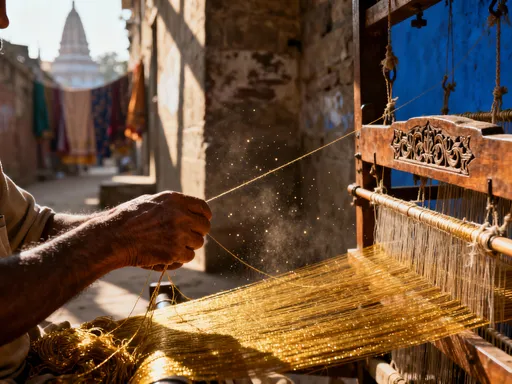
Instead of focusing only on wide scenes, zoom in on small details: a vendor’s hands arranging mangoes, the pattern of a tapa cloth, the reflection of a market stall in a puddle after rain. These close-ups often tell richer stories than panoramic shots. Smartphones, with their high-resolution cameras and portrait modes, are excellent tools for capturing these moments. Using the grid function helps with composition, while natural light settings preserve the true colors of the environment.
When photographing people, discretion and consent are essential. A smile and a nod can go a long way. If someone is open to being photographed, take a moment to engage—ask their name, thank them, and if possible, show them the photo. This builds trust and honors the human element behind the image. Candid shots are valuable, but they should never feel intrusive. The goal is to document with dignity, not to exploit.
Framing also matters. Use natural elements like doorways, arches of trees, or market awnings to create depth and focus. Leading lines—such as rows of fruit or the edge of a wooden stall—can guide the viewer’s eye through the image. Avoid over-editing; the beauty of Nuku'alofa lies in its authenticity, not in filters or heavy retouching.
Why This Side of Tonga Deserves the Spotlight
Too often, travel to the South Pacific is framed through the lens of beaches, resorts, and luxury escapes. While Tonga’s outer islands offer breathtaking natural beauty, its capital city reveals a different kind of treasure—the pulse of everyday life. Nuku'alofa’s markets, streets, and small businesses are not side attractions; they are the living heart of the nation. Here, culture is not performed for tourists—it is lived, shared, and sustained.
Exploring these urban spaces encourages a slower, more thoughtful form of travel. It invites visitors to step beyond the postcard image and engage with reality—the rhythm of a market day, the pride in a handmade craft, the warmth of a shared meal. These experiences create deeper connections and more meaningful memories than any guided tour could offer.
Moreover, supporting local commerce has real impact. Every purchase at a family-run stall, every photo shared with credit to the maker, every respectful interaction contributes to a more sustainable and equitable tourism model. It shifts the narrative from consumption to connection, from observation to participation.
As travelers, we have the power to highlight places like Nuku'alofa not as hidden secrets to be exploited, but as vibrant communities worthy of recognition and respect. By turning our lenses—and our hearts—toward the everyday beauty of urban Tonga, we honor the true spirit of the islands. In doing so, we don’t just capture moments. We become part of them.