You Won’t Believe These Secret Festival Vibes in Christchurch
Christchurch isn’t just about gardens and cathedrals—underneath its quiet charm, the city pulses with hidden festival energy all year round. I stumbled upon these off-the-radar celebrations by chance, and honestly? They changed how I see this place. From intimate winter lantern trails to underground music gigs in repurposed warehouses, these experiences feel personal, local, and totally unforgettable. If you’re chasing authenticity over crowds, you gotta know about these. These are not the kinds of events you’ll find on every tourist itinerary. They don’t dominate headlines or sell out in minutes. Instead, they unfold in tucked-away corners of the city, known mostly to residents who value connection, creativity, and seasonal rhythm. This is Christchurch not as a destination, but as a living, breathing community—and once you’ve felt its pulse, you’ll never view it the same way again.
The Hidden Pulse of Christchurch: Beyond the Tourist Brochure
When most travelers think of Christchurch, they picture the restored ChristChurch Cathedral, the peaceful Botanic Gardens, or the scenic Avon River. These landmarks are undeniably beautiful, but they represent only one layer of the city’s identity. Beneath the surface lies a network of grassroots celebrations—small-scale, seasonal, and deeply rooted in community spirit. These hidden festivals don’t rely on massive sponsorships or international headliners. Instead, they thrive on local passion, artistic expression, and a shared love for place. They are the quiet heartbeat of a city that has rebuilt itself with resilience and imagination.
What makes these events so special is their authenticity. Unlike large commercial festivals that can feel generic or overly curated, Christchurch’s lesser-known gatherings invite participation, not just observation. You might find yourself sharing a homemade pie with a stranger at a neighborhood harvest festival, or listening to a poet recite original work in a converted church basement. These moments aren’t staged for Instagram—they happen because people care. They reflect the values of inclusivity, creativity, and sustainability that have become central to the city’s post-quake identity.
For visitors, seeking out these experiences transforms a standard sightseeing trip into something more meaningful. It shifts the focus from checking off attractions to forming genuine connections—with locals, with culture, and with the rhythms of the seasons. And while these festivals may not appear on every travel website, they are often the ones that stay with you long after you’ve returned home. They remind you that travel is not just about seeing new places, but about feeling them in your bones.
Winter Lights and Quiet Wonder: The Enchanted Garden Trails
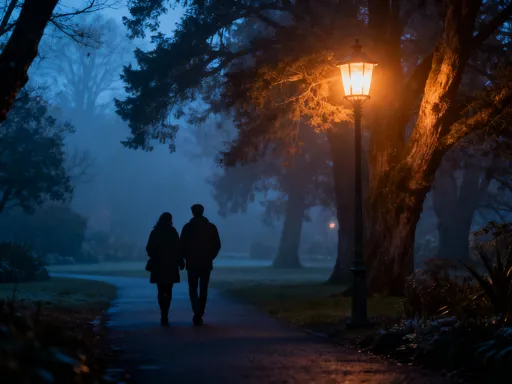
As the days grow shorter and the air turns crisp, Christchurch reveals one of its most magical secrets: the winter garden light trails. These are not flashy, commercialized displays, but delicate, artist-led installations that transform familiar green spaces into dreamlike realms after dark. Held primarily in Hagley Park and the Botanic Gardens, these seasonal events feature handcrafted lanterns, soft projections on tree canopies, and ambient soundscapes that blend with the rustle of leaves and distant calls of night birds. The atmosphere is serene, almost meditative—perfect for a quiet stroll with a warm drink in hand.
What sets these light trails apart is their intimacy. Attendance is intentionally limited, and tickets are often released in small batches to preserve the experience. Unlike crowded holiday light shows elsewhere, here you can walk without jostling for space, pause to admire a glowing kōwhai blossom sculpture, or watch children point in wonder at a trail of floating paper stars. Many installations are created by local artists and schools, adding a deeply personal touch. Some even incorporate Māori stories and celestial themes, linking the winter darkness to ancestral knowledge of the stars.
The events typically run from late April through July, aligning with the Southern Hemisphere’s winter months and the Matariki season. Timing your visit on a weekday evening increases your chances of enjoying the trails in near-solitude. Local cafes nearby often extend their hours, offering spiced cider, hot chocolate with native bush honey, and sweet scones—perfect for warming up afterward. For families, these trails offer a gentle, screen-free form of enchantment. For solo travelers or couples, they provide a rare opportunity to slow down and reconnect with nature’s quiet beauty.
To find out when the next trail is happening, it’s best to check the Christchurch City Council’s events calendar or sign up for newsletters from community arts groups. These events are rarely advertised through national tourism channels, making them a true insider experience. And because they depend on volunteer effort and local funding, their continuation relies on community support—another reason to attend with appreciation and care.
Underground Sounds: Christchurch’s Secret Music Festivals
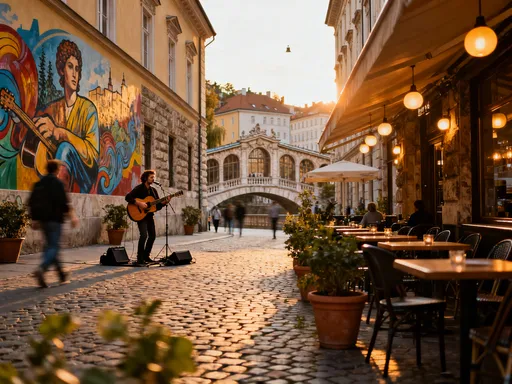
If mainstream concerts and stadium gigs define one end of the music spectrum, Christchurch’s underground scene occupies the other—raw, intimate, and fiercely independent. Throughout the year, the city hosts a rotating series of pop-up music events in unexpected venues: former industrial buildings, disused church halls, hidden courtyards, and even repurposed shipping containers. These spaces, often clustered in the South Frame and Woolston areas, come alive during local arts festivals or as part of independent concert series organized by collectives like Loop or Avant Garde.
The music itself defies easy categorization. You might hear a haunting acoustic set by a solo folk artist from Banks Peninsula, an experimental electronic duo blending taonga pūoro (traditional Māori instruments) with synth loops, or a punk band playing in a graffiti-covered warehouse. These are not acts designed for radio play—they’re artists pushing boundaries, testing ideas, and building local followings one show at a time. The audiences are equally diverse: longtime locals, university students, creative professionals, and the occasional curious traveler who followed a whisper on a community bulletin board.
Venues like The Foundry, a converted steelworks space turned arts hub, regularly host these events. Others are temporary—activated for a single night, then disappearing until the next gathering. Tickets are usually modest, often $15–25, and sometimes include a donation to support local musicians. Because these shows are small—rarely holding more than 150 people—the connection between performer and audience is immediate and electric. You’re not just listening to music; you’re part of a shared moment.
Finding these gigs requires a bit of digging. Facebook events, local radio stations like Plains FM, and flyers in independent cafes are the most reliable sources. Some events are announced only a few days in advance, adding to their spontaneous charm. For visitors, the key is staying flexible and open to last-minute plans. While these shows are welcoming, they thrive on a sense of belonging—so arrive with respect, listen closely, and let the music carry you into the heart of Christchurch’s creative soul.
Taste the Local: Hidden Food & Craft Beer Events
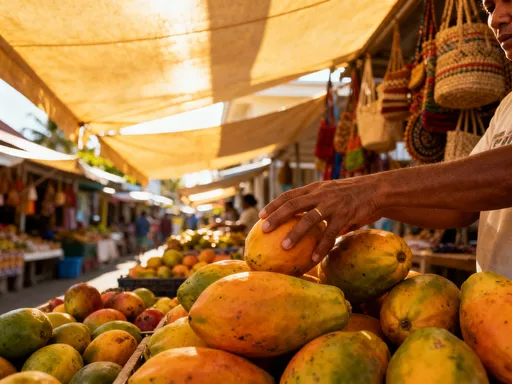
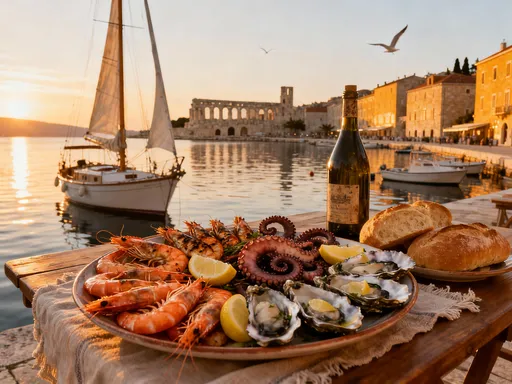
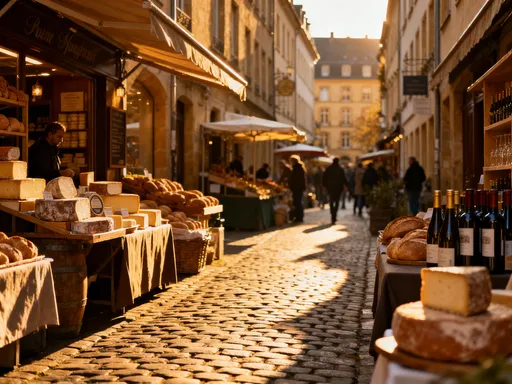
In a city rebuilding its identity, food has become a powerful expression of place and community. Beyond the well-known restaurants and farmers' markets, Christchurch hosts a network of small, seasonal food events that showcase the region’s rich agricultural heritage. These gatherings—often organized by neighborhood groups, artisan collectives, or independent breweries—are where the city’s culinary soul truly shines. Think summer feasts in Linwood community halls, autumn cider tastings in Sydenham warehouses, or winter soup nights in shared garden spaces.
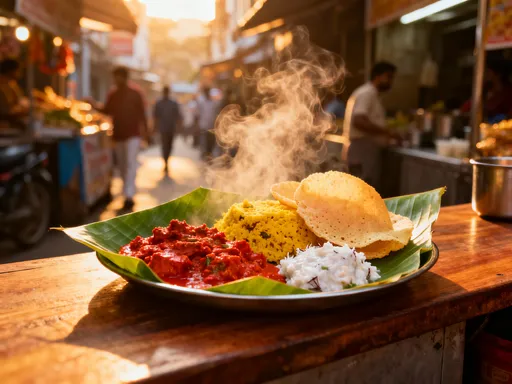
What makes these events special is their hyper-local focus. Menus are built around seasonal produce from Canterbury farms: sweet baby carrots from Lincoln, free-range lamb from Methven, and berries from the foothills of the Southern Alps. Chefs and home cooks alike contribute dishes that reflect their heritage—Polynesian-inspired coconut curries, European-style sourdough with native herb butters, or modern takes on traditional Māori hāngī (earth-cooked meals) using sustainable methods. There’s no mass catering here—each plate feels handmade, meaningful, and full of story.
Craft beer plays a central role too. Microbreweries like Three Boys, Panhead, and smaller nano-brewers often host tap takeovers or collaboration events during local festivals. You might sample a limited-edition saison infused with manuka smoke, or a hoppy pale ale brewed with Canterbury-grown barley. These tastings are social as much as sensory—brewers chat with guests, explain their process, and welcome feedback. For families, many events include kid-friendly zones, live acoustic music, and local artisans selling handmade goods.
To discover these events, follow neighborhood Facebook groups like “Christchurch Eats” or “Canterbury Food Lovers,” or visit community centers in areas like Addington, Woolston, or Riccarton. Some events are donation-based, others require small ticket fees, but all emphasize accessibility and inclusion. By attending, you’re not just eating—you’re supporting local food resilience, reducing food miles, and tasting the future of sustainable urban dining.
Matariki Magic: A Local Way to Celebrate Māori New Year
Matariki, the Māori New Year marked by the winter rising of the Pleiades star cluster, has grown into a national celebration—but in Christchurch, it retains a deeply personal, community-centered character. Rather than large-scale performances, the city offers intimate, meaningful events that honor Māori traditions with respect and authenticity. Dawn wānanga (learning circles), storytelling sessions, stargazing gatherings, and communal meals are hosted by local iwi (tribes), cultural centers like Te Puna Waiora, and libraries across the city.
These events are not tourist spectacles. They are opportunities for education, reflection, and connection. At a typical dawn ceremony in Hagley Park, elders might lead karakia (prayers), share stories of the stars, and speak about the values of remembrance, celebration, and hope for the year ahead. The atmosphere is reverent but welcoming—visitors are invited to listen, learn, and participate with humility. Children are especially encouraged to attend, as Matariki is seen as a time to pass knowledge to the next generation.
Stargazing events, often held in darker suburban areas or at the Canterbury Museum’s planetarium, blend science and tradition. Guides explain how Māori astronomers used the stars for navigation, planting, and seasonal planning. Families lie on blankets, sipping kawakawa tea, as constellations are pointed out with laser pens. Some events include traditional food—boiled kūmara (sweet potato), rewena bread (fermented potato sourdough), and steamed puddings wrapped in leaves.
For travelers, attending a Matariki event is a rare chance to engage with living culture in a respectful way. It’s not about taking photos or checking a box—it’s about being present. Many events request that attendees refrain from recording or speaking during sacred moments, emphasizing the importance of listening. By approaching these gatherings with curiosity and respect, visitors become part of a shared moment of renewal, grounded in centuries of tradition and the quiet beauty of winter skies.
Art in Unexpected Places: Pop-Up Galleries and Street Festivals
Christchurch’s transformation after the 2010–2011 earthquakes has made public art a cornerstone of its identity. But beyond the famous murals on Gloucester Street or the Cardboard Cathedral, the city hosts a dynamic network of temporary art festivals that turn vacant lots, shipping containers, and alleyways into creative zones. These events, often linked to the SCAPE Public Art season or neighborhood-led initiatives, showcase experimental works by local and national artists, including sculpture, performance, sound installations, and interactive pieces.
What makes these festivals so compelling is their impermanence. An artwork might exist for only a week before being replaced or removed, encouraging visitors to engage in the moment. You might encounter a kinetic wind sculpture in a former parking lot, a poetry booth in a repurposed phone kiosk, or a dance performance in a laneway lit by string lights. These interventions are not just decorative—they’re conversations about place, memory, and resilience. Many works respond directly to the city’s history, using recycled materials or referencing pre-quake landmarks.
The SCAPE Biennial, held every two years, is the most prominent of these events, but smaller neighborhood festivals occur throughout the year. In areas like Woolston or Addington, local businesses and artists collaborate to host open studio days, mural painting sessions, and art walks. These events are family-friendly, often including hands-on activities for children, live music, and food trucks serving local specialties.
For visitors, exploring these art spaces is like walking through a living gallery that changes with the seasons. It’s also a chance to meet artists, hear their inspiration, and see how creativity is woven into everyday life. Because many installations are unmarked or discovered by chance, the experience feels like a treasure hunt—rewarding curiosity and slow exploration. By supporting these events, you’re contributing to a culture that values imagination, community, and the healing power of art.
Planning Your Visit: How to Find and Join These Hidden Festivals
The biggest challenge—and joy—of experiencing Christchurch’s hidden festivals is finding them. They rarely appear on mainstream tourism platforms or international event calendars. Instead, they live in local networks: community noticeboards, library bulletin boards, neighborhood Facebook groups, and word of mouth. To truly access these events, you need to think like a resident. Sign up for newsletters from the Christchurch City Council, Arts Council, or community centers. Follow local radio stations like RNZ or Plains FM, which often preview upcoming cultural events.
Timing is also key. Many of these festivals are seasonal. Winter brings Matariki and light trails, summer hosts outdoor food feasts and pop-up concerts, and spring and autumn see art walks and harvest events. Planning your visit around June (Matariki) or February (SCAPE or post-quake anniversary events) increases your chances of catching multiple happenings. Even then, spontaneity matters—some events are announced only days in advance, so staying flexible allows room for surprise.
Transportation in Christchurch is relatively straightforward. The city center is walkable, and many events are located in central neighborhoods or easily reached by bike or public bus. For more remote gatherings, rideshares or local taxi services work well. If you’re staying in a B&B or serviced apartment, ask your host—they’re often deeply connected to community events and may have insider tips.
Most importantly, approach these festivals with respect. These are not performances for tourists—they’re expressions of local life. Dress comfortably, arrive on time, listen more than you speak, and participate with humility. Bring cash for small vendors, ask before taking photos, and follow any cultural protocols shared by organizers. When in doubt, observe and follow the lead of locals. By doing so, you’re not just attending an event—you’re becoming part of the community, even if just for an evening.
Conclusion
Christchurch’s hidden festival scene isn’t just about entertainment—it’s a doorway into the city’s spirit. These quiet, authentic moments offer something no guidebook can: a real connection to place and people. By stepping off the beaten path, travelers don’t just see the city—they feel it. They experience the warmth of a shared meal, the hush of a lantern-lit garden, the thrill of live music in a forgotten warehouse. These are not curated attractions, but living traditions—shaped by resilience, creativity, and community.
In a world where travel often feels rushed and commercialized, Christchurch reminds us of the power of slowness, intimacy, and discovery. Its hidden festivals don’t shout for attention. They whisper. And if you listen closely, you’ll hear the heartbeat of a city that has learned to celebrate not in spite of its challenges, but because of them. So come with curiosity. Stay open. Let the city reveal itself, one quiet celebration at a time.