You Won’t Believe These Hidden Cultural Gems in Pattaya
When you think of Pattaya, beaches and nightlife probably come to mind—but there’s a whole other side to this Thai city that most tourists miss. I stumbled upon stunning cultural venues tucked away from the crowds, each with its own story, artistry, and photo-worthy charm. From golden temples to vibrant local galleries, these spots offer authenticity, color, and soul. If you're looking for meaningful, visually rich experiences, keep reading—because Pattaya’s cultural heartbeat is waiting to be discovered.
Beyond the Beaches: Uncovering Pattaya’s Cultural Soul
Pattaya is often labeled as a resort town built for sun, sand, and entertainment, but beneath its lively surface lies a cultural depth that surprises even seasoned travelers. While the city welcomes millions each year with open arms and dazzling lights, its quieter corners reveal traditions preserved through generations—places where spirituality, art, and community converge. These spaces offer a refreshing contrast to the bustling beachfront and crowded walking streets, inviting visitors to slow down and engage with Thailand’s living heritage.
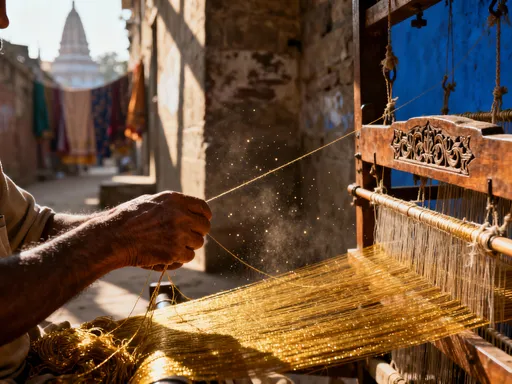
Exploring Pattaya’s cultural offerings isn’t just about sightseeing; it’s about connection. The city’s history as a fishing village before its transformation into a tourist hub means that local customs still thrive in hidden pockets. Temples rise above treetops, family-run galleries display intricate artwork, and small shrines glow softly beneath banyan trees. These are not staged attractions—they are part of daily life, where monks chant at dawn, artisans weave stories into silk, and elders offer quiet prayers with folded hands.
For the thoughtful traveler, especially those seeking meaningful experiences beyond the resort zone, Pattaya’s cultural soul offers a rewarding journey. Whether you’re drawn to the serenity of a hilltop temple, the rhythm of traditional dance, or the colors of historic streets, these experiences enrich your visit with authenticity. This quieter side of Pattaya doesn’t compete with its more famous attractions—it complements them, adding layers of understanding and appreciation for the place and its people.
The Magic of Wat Phra Yai: More Than Just a Big Buddha
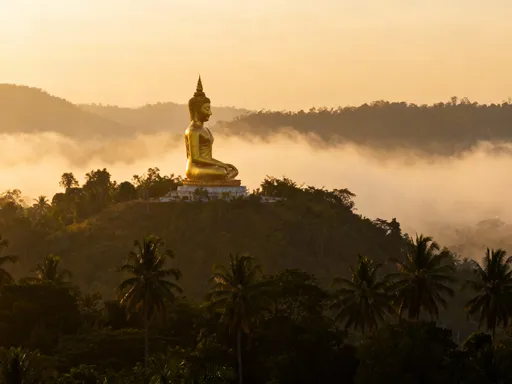
Perched atop a gentle hill along the northern stretch of Pattaya Beach stands Wat Phra Yai, one of the city’s most recognizable spiritual landmarks. Home to a towering golden Buddha statue seated in meditation, this temple draws visitors not only for its visual grandeur but for the sense of peace it radiates. The 18-meter-tall statue, covered in shimmering gold leaf, gazes outward across the Gulf of Thailand, offering a moment of stillness amid the surrounding energy of the city.
Beyond its striking appearance, Wat Phra Yai holds deep cultural significance. Locals visit regularly to make merit, light incense, and offer lotus blossoms as signs of respect and devotion. The site is also associated with protection—many believe the Buddha’s presence guards the community from harm. While tourists are welcome, the temple remains a place of genuine worship, not merely a photo opportunity. Understanding this context helps visitors approach with mindfulness and reverence.
For photography enthusiasts, Wat Phra Yai presents exceptional opportunities, especially during the early morning or late afternoon when the sunlight bathes the statue in a warm, golden glow. Shooting from a low angle emphasizes the Buddha’s height and majesty, while capturing the surrounding garden and small shrines adds depth to the composition. Visitors are encouraged to avoid climbing on sacred structures or posing disrespectfully in front of the statue. Instead, candid shots of monks in saffron robes or local families in quiet prayer can convey the temple’s true spirit without intrusion.
Dressed modestly—shoulders covered and legs below the knee—travelers will find a welcoming atmosphere and a chance to observe rituals that have endured for decades. A short staircase leads to the main platform, where intricate carvings and colorful mosaics decorate the base of the statue. This blend of artistry and devotion makes Wat Phra Yai not just a sight to see, but a place to feel, reflect, and remember.
Art in the Open: Nong Nooch Tropical Garden’s Cultural Zone
Just a short drive from central Pattaya, Nong Nooch Tropical Garden is renowned for its lush landscapes and botanical beauty. Yet within this expansive oasis lies a dedicated Cultural Zone that offers one of the most immersive traditional Thai experiences in the region. Here, visitors step into a living showcase of heritage, where ornate pavilions, traditional music, and daily performances bring Thailand’s artistic legacy to life in vivid color and motion.
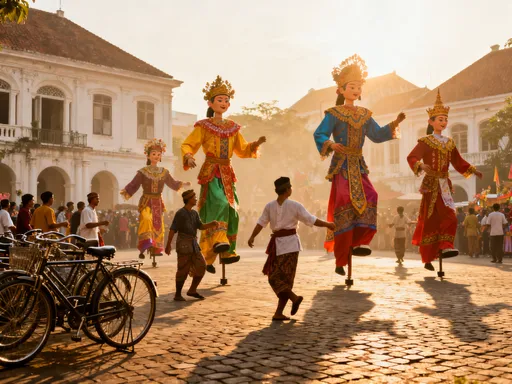
The Cultural Zone features a recreated Thai village complete with wooden houses on stilts, intricately carved gates, and open-air stages where dancers in elaborate costumes perform classical routines. These performances, held several times a day, include the graceful movements of the Ram Thai dance, martial arts demonstrations, and folk music played on traditional instruments like the ranat (xylophone) and pi (oboe). Each act is not only entertaining but educational, offering insight into regional customs and storytelling through movement.
Photographers will find endless inspiration here—the vibrant silks worn by performers, the detailed craftsmanship of the buildings, and the soft dappled light filtering through palm trees create a dreamlike setting. Early visitors are rewarded with fewer crowds and softer lighting, ideal for capturing intimate moments. Close-up shots of dancers’ hand gestures, known as mudras, or wide-angle views of the entire stage framed by tropical foliage can result in powerful, evocative images.
What sets this experience apart is its authenticity. While designed for tourists, the performances are carried out by trained artists who take pride in preserving their culture. Visitors are encouraged to clap after each number and may even have the chance to try on traditional attire for photos. The surrounding gardens, with their symmetrical lawns and lotus ponds, provide a serene backdrop for reflection after the performance. Nong Nooch’s Cultural Zone proves that beauty and education can coexist, offering families and solo travelers alike a meaningful pause in their journey.
Hidden Temples and Quiet Corners: Wat Kuan Im and Local Shrines
While Wat Phra Yai attracts attention for its size and location, Wat Kuan Im—also known as the Temple of the Compassionate Goddess—offers a different kind of spiritual encounter. Nestled in a quieter part of town, this small but richly decorated temple is dedicated to Guanyin, the Buddhist bodhisattva of mercy. Unlike the more commercialized sites, Wat Kuan Im retains a deeply local character, frequented by residents who come to pray, meditate, and leave offerings of flowers and candles.
The temple’s centerpiece is a striking white statue of Guanyin, gracefully poised with multiple arms symbolizing her ability to help all beings. The surrounding halls are adorned with delicate murals depicting Buddhist teachings, golden altars, and hanging lanterns that sway gently in the breeze. Colorful banners inscribed with prayers flutter above, creating a serene yet vibrant atmosphere. Because it sees fewer international visitors, Wat Kuan Im allows for a more intimate experience—one where silence is honored and observation feels natural.
For photographers, this temple offers a rare chance to capture genuine moments of devotion without intrusion. Early mornings are ideal, when soft light enters through stained glass and monks move quietly through their routines. Close-ups of weathered hands placing offerings, reflections in polished floors, or the texture of ancient wood carvings can tell powerful stories without words. It’s important to remember that this is an active place of worship; using a quiet shutter mode, avoiding flash, and refraining from blocking prayer areas are small acts of respect that go a long way.
Beyond Wat Kuan Im, Pattaya is dotted with smaller shrines and spirit houses tucked beside shops, homes, and roadways. These miniature structures, often decorated with fresh flowers, incense sticks, and tiny offerings, reflect the Thai belief in guardian spirits and daily gratitude. Capturing these details—perhaps a vendor lighting a stick of incense before opening her stall—adds depth to any cultural photo essay. They remind us that spirituality in Thailand is not confined to grand temples but woven into the fabric of everyday life.
Pattaya’s Local Art Scene: Galleries and Creative Hubs
Around the city, a quiet artistic renaissance is unfolding in small galleries and creative spaces that highlight the work of Thai painters, sculptors, and craftspersons. These venues, often family-run or community-supported, offer a platform for local voices to share stories through color, form, and texture. Unlike commercial souvenir shops, these spaces focus on originality and cultural expression, making them essential stops for travelers who value authenticity and artistic depth.
One such example is the Art in Paradise Pattaya, a 3D interactive museum that blends optical illusion with Thai themes. While not a traditional gallery, it invites visitors to engage with art in a playful yet culturally grounded way—stepping into scenes of ancient temples, jungle wildlife, and mythological tales. The experience is both fun and visually stimulating, especially for families, and encourages creative photography that merges the real and the imagined.
Other smaller galleries, such as those found in the Royal Garden Plaza or tucked along Soi Buakhao, showcase realistic paintings of Thai landscapes, spiritual motifs, and portraits of rural life. Many artists are present during opening hours, happy to discuss their inspiration, techniques, and the meanings behind their pieces. Engaging in conversation not only enriches the visit but fosters a personal connection that enhances the value of any photograph taken.
When photographing in these spaces, natural light is your greatest ally. Large windows and open layouts in many galleries allow for soft, even lighting that highlights brushstrokes and textures. Close-up shots of canvas grain, sculpted details, or the reflection of art in glass frames can elevate your visual storytelling. Always ask permission before photographing artists at work or specific pieces, and be mindful of signage indicating no photography. These small courtesies ensure a respectful and positive experience for everyone involved.
Street Culture and Heritage: Walking Through Pattaya’s Old Town
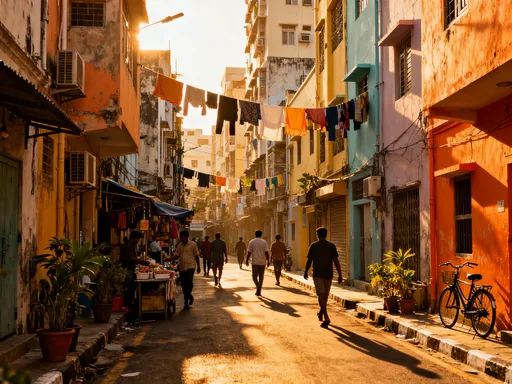
A short walk from the neon-lit center of Pattaya lies a different world—one of weathered facades, faded signs, and quiet alleyways that whisper stories of the past. This area, often referred to as Pattaya’s Old Town, is a mosaic of Sino-Thai architecture, where wooden shutters, curved rooftops, and ornate balconies hint at a time when the city was a modest coastal settlement. Today, these buildings house small shops, family-run eateries, and local markets, creating a living tapestry of urban heritage.
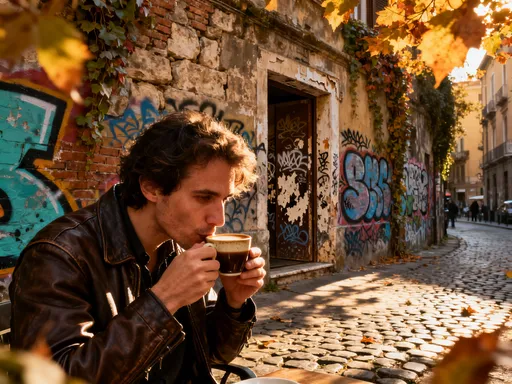
Wandering through these streets offers a unique photographic opportunity. The contrast between old and new—century-old structures beside modern cafes, or a vibrant mural painted across a crumbling wall—tells a story of evolution and resilience. Morning light slants across narrow lanes, illuminating peeling paint, rusted railings, and hanging laundry, all of which add texture and character to your images. Street vendors preparing food, children walking to school, and elders sipping coffee at plastic tables provide candid, human moments that capture the rhythm of daily life.
One of the most photogenic spots is Soi San Suk, where colorful murals depict Thai folklore, marine life, and scenes of local fishing traditions. These artworks, created by both Thai and international artists, have transformed a once-overlooked alley into an open-air gallery. The community has embraced this revival, keeping the area clean and welcoming. Visitors are encouraged to explore respectfully, avoiding trespassing on private property or disturbing residents.
For the best experience, visit early in the day when foot traffic is light and the air is cool. Wear comfortable shoes, carry water, and move at a slow pace to truly absorb the surroundings. Carry a small notebook to jot down observations or sketch details—you may find inspiration in the curve of a roofline or the pattern of a tiled floor. Pattaya’s Old Town may not be as polished as its beachfront, but its charm lies in its imperfections, its authenticity, and its quiet dignity.
Putting It All Together: Planning Your Cultural Photo Journey
To make the most of Pattaya’s cultural offerings, a well-planned itinerary can help you experience the highlights without feeling rushed. Begin your day early at Wat Kuan Im, arriving by 7:30 a.m. to enjoy the temple in quiet solitude and capture soft morning light. From there, head to Nong Nooch Tropical Garden, allowing at least three hours to explore the Cultural Zone and its surrounding landscapes. The garden’s shuttle service from central Pattaya makes transportation convenient, or you can hire a local taxi for greater flexibility.
After lunch at one of the garden’s restaurants—many of which serve authentic Thai dishes—return to the city and spend the late afternoon exploring Pattaya’s Old Town. Walk through Soi San Suk and nearby lanes, stopping at local cafes or small galleries along the way. As the sun begins to lower, make your way to Wat Phra Yai for golden hour photography. The light during this time transforms the golden Buddha into a radiant focal point, perfect for both wide and detailed shots.
Entry to all temples is free, though donations are appreciated and often placed in marked boxes. Nong Nooch charges a modest admission fee, which includes access to all zones and performances. Dress appropriately for each site—modest clothing that covers shoulders and knees—and carry a lightweight scarf or shawl for added coverage when needed. Avoid visiting during midday when the sun is strongest, as this creates harsh shadows and makes outdoor photography challenging.
When photographing people, always ask for permission, especially when focusing on individuals in prayer or at work. A smile and a simple gesture can go a long way in building trust. Remember that your presence is a privilege, not a right—traveling with respect ensures that these cultural spaces remain welcoming for future visitors. Carry a portable charger for your devices, stay hydrated, and take breaks as needed to fully enjoy the experience.
Conclusion
Pattaya’s cultural venues reveal a side of Thailand that’s often overlooked—rich in heritage, beauty, and human connection. By seeking out these spaces, travelers don’t just capture stunning images; they engage with the heart of the destination. This journey isn’t just about photos—it’s about seeing deeper, remembering more, and traveling with purpose. Whether you’re standing beneath a golden Buddha, watching a traditional dance, or wandering quiet streets lined with history, you’re participating in a story much larger than yourself. These hidden gems remind us that every place has layers, and the most meaningful discoveries often lie just beyond the well-trodden path. So the next time you visit Pattaya, look beyond the shoreline. The soul of the city is waiting to be seen.