This Croatian Coastal Gem Serves Up Dining Magic You’ve Got to See to Believe
Pula, Croatia isn’t just about ancient Roman ruins and crystal-clear Adriatic waters—its dining scene is an experience in itself. I’m talking sun-kissed terraces, locally caught seafood sizzling on open flames, and wines that taste like sunshine in a glass. Every meal feels like a celebration of the Mediterranean soul. If you’re chasing Instagram-worthy moments that blend flavor, views, and authenticity, Pula’s coastal cuisine delivers in every frame. More than a stop on the Dalmatian coast, this Istrian jewel offers a rare harmony of history, nature, and gastronomy—all within easy reach of family-friendly paths, relaxed waterfront promenades, and open-air tables where time slows and senses awaken. It's a place where every bite tells a story, and every sunset feels like a private show.
Why Pula? More Than Just a Pretty Backdrop
Nestled at the southern tip of the Istrian Peninsula, Pula blends timeless charm with a refreshingly unhurried rhythm. Its streets echo with centuries of layered history—most notably the remarkably preserved Roman Amphitheatre, one of the best-preserved in the world, standing proudly in the city center like a stone guardian of memory. Yet beyond its archaeological treasures, Pula reveals a quieter, equally compelling identity: a coastal haven where daily life unfolds at the pace of the tides. For travelers seeking authenticity over spectacle, Pula offers a grounded, accessible elegance. The city is compact enough to explore on foot, allowing visitors to transition seamlessly from a morning stroll through ancient colonnades to a midday lunch on a shaded terrace overlooking the shimmering bay.
What sets Pula apart as a destination for modern travelers, particularly those who value meaningful experiences, is its balance. It’s cosmopolitan without being crowded, historic without feeling museum-like, and culinary rich without being overly formal. Food here isn’t performed—it’s lived. Locals gather in konobas (traditional family-run taverns), where menus change with the season and fish are often named by the fisherman who brought them in that morning. This connection to place resonates deeply with travelers, especially women in their 30s to 50s who seek enriching, sensory-rich escapes that nourish both body and spirit. The city’s walkability, safe pedestrian zones, and abundance of shaded outdoor spaces make it ideal for those traveling with family or friends, allowing relaxed exploration without the stress of complicated logistics.
Moreover, Pula’s growing reputation among content creators and food enthusiasts stems from its visual authenticity. Unlike overly curated urban destinations, Pula’s beauty is organic—weathered stone walls draped in bougainvillea, fishing boats bobbing beside modern yachts, and tables set simply with olive oil, salt, and fresh bread. There’s no need to stage a moment; the setting does the work. This natural elegance, combined with a deep-rooted food culture, makes Pula not just a place to eat, but a place to remember, to share, and to return to—mentally and emotionally—long after the journey ends.
The Golden Hour Table: Where Ambience Meets Appetite
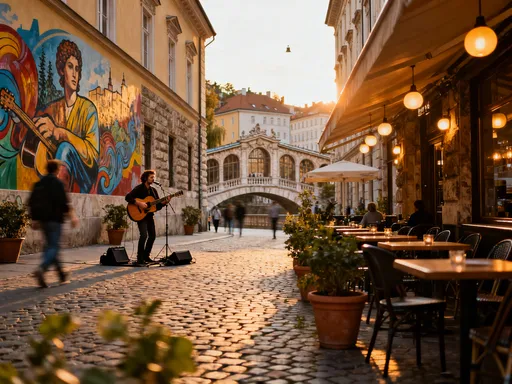
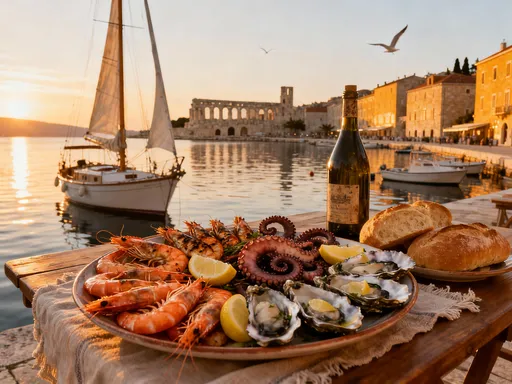
If there’s a single moment when Pula transforms into pure magic, it’s golden hour. As the sun dips toward the horizon, the Adriatic Sea catches fire in hues of amber, rose, and molten gold, casting a warm glow over the harbor’s limestone buildings and sailboat masts. This is when the city’s dining culture truly comes alive—not with fanfare, but with a quiet, collective pause. Families arrive in casual elegance, children laughing as they chase shadows on the cobblestones, while couples settle into corner tables with glasses of crisp Malvazija wine. The air fills with a symphony of small pleasures: the clink of cutlery on ceramic plates, the sizzle of garlic hitting a hot pan, the low hum of conversation in a mix of Croatian, Italian, and softly spoken English.
Dining during this time is more than a meal—it’s a ritual. Restaurants along the waterfront open their terraces wide, letting the evening breeze carry the scent of grilled fish and rosemary through the air. Waiters move with practiced ease, balancing trays of marinated octopus, platters of mixed seafood, and bowls of chilled white wine. The lighting, entirely natural at first, gradually blends with the soft twinkle of string lights and candle flames flickering in glass lanterns. Every element conspires to create an atmosphere that feels both celebratory and intimate, grand in its beauty yet deeply personal in experience.
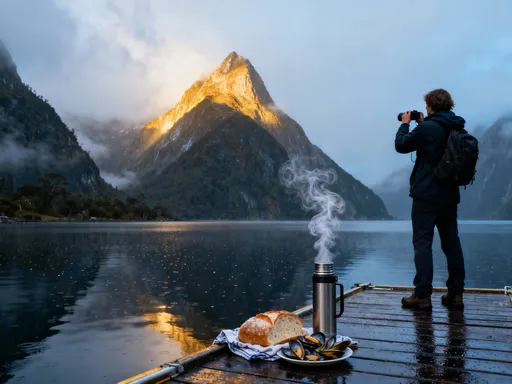
For those who appreciate the art of capturing a moment, golden hour in Pula offers unmatched opportunities. The low-angle sunlight wraps around faces, highlights the glisten of olive oil on a tomato salad, and turns a simple plate of grilled sardines into a still-life masterpiece. There’s no need for filters or staging; the scene is inherently photogenic. But more importantly, it invites presence. When the light is this beautiful, it’s hard not to put the phone down and simply breathe it in. Yet when you do raise your camera, you’re not just documenting a meal—you’re preserving a feeling, a memory of warmth, connection, and the quiet joy of being exactly where you want to be.
From Market to Menu: The Heart of Pula’s Flavors
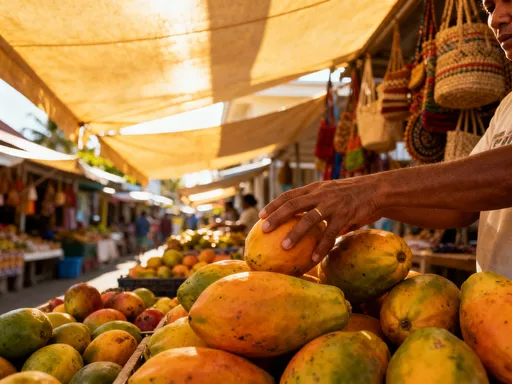
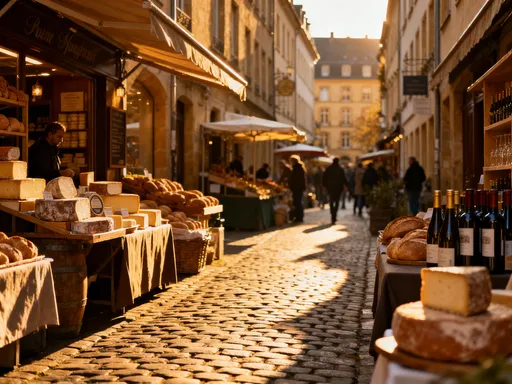
The soul of Pula’s cuisine begins long before the first bite—it starts in the open-air markets that buzz with life each morning. At the city’s central market, tucked just behind the main square, local vendors display the day’s harvest with quiet pride. Baskets overflow with deep purple figs still warm from the sun, plump peaches with blushed skins, and clusters of green and black olives harvested from nearby groves. Fishmongers arrange their catch on beds of crushed ice—silvery anchovies, firm sea bass, and spiny lobsters still moving their claws—each labeled with the name of the bay or village where it was caught.
This dedication to freshness isn’t just a marketing slogan; it’s a way of life. Chefs from waterfront restaurants arrive early, shopping with the same care as home cooks, selecting ingredients based on quality, ripeness, and story. A tomato isn’t just a tomato—it’s one grown in red Istrian soil, watered by morning dew, and picked at peak sweetness. A piece of fish isn’t just protein; it’s the result of a fisherman’s knowledge of tides, seasons, and sustainable practices passed down through generations. This farm-to-table ethos isn’t trendy—it’s traditional, rooted in a culture that respects nature’s rhythms and values simplicity.
When these ingredients reach the plate, their natural beauty is honored, not hidden. A salad might be nothing more than ripe tomatoes, cucumber, red onion, and a drizzle of golden Istrian olive oil—yet the flavors explode with freshness. Seafood is often grilled simply, with just lemon, garlic, and parsley to enhance, not overpower. Even the bread arrives warm from the oven, often baked in wood-fired ovens using ancient methods. The visual appeal is inherent: vibrant colors, natural textures, and rustic plating that feels honest and inviting. There’s a quiet elegance in this simplicity, a reminder that the best meals don’t need embellishment—they just need the right ingredients, prepared with care.
Seaside Eateries That Steal the Show
Along Pula’s coastline, restaurants range from humble fishing huts converted into family-run konobas to sleek, modern bistros with panoramic sea views. What unites them is a commitment to place—each eatery reflects its surroundings, whether nestled beneath a canopy of pine trees or perched on a rocky outcrop with uninterrupted ocean vistas. One standout is a hidden konoba tucked into a cove, accessible only by a narrow path lined with wild herbs. Here, tables are set close together under a wooden pergola, and the menu is written on a chalkboard in looping script. Diners order the catch of the day—often grilled octopus or whole sea bream—served with a side of roasted potatoes and a carafe of local white wine.
Another favorite is a waterfront bistro where floor-to-ceiling glass opens entirely to the sea breeze, creating an indoor-outdoor experience that blurs the line between dining room and shoreline. At sunset, the view is breathtaking: the sky melts into the water, and the reflection of candlelight dances on the waves. The menu here leans slightly more refined, featuring dishes like black risotto made with squid ink, its deep color contrasting beautifully with a bright lemon wedge and sprig of dill. Homemade fuzi pasta—short, rolled Istrian noodles—is served with a rich truffle cream sauce, the earthy aroma mingling with the salty sea air.
Even the plating speaks to Pula’s aesthetic: dishes arrive on hand-thrown ceramics, their imperfections adding character. Garnishes are fresh and intentional—microgreens from a nearby garden, a twist of lemon zest, a single edible flower. There’s no over-styling, no artificial coloring—just food that looks as good as it tastes because it *is* good. For those who love to photograph their meals, these details matter. A close-up of grilled sardines with charred edges and a dusting of sea salt becomes a study in texture and light. A wide shot of a shared platter, surrounded by wine glasses and laughter, captures the spirit of communal dining at its best.
The Cocktail Culture: Sipping in Style
While wine has long reigned supreme in Istria, Pula’s cocktail scene is quietly evolving into something special. Influenced by Mediterranean flavors and local spirits, bartenders are crafting drinks that are as much about experience as they are about taste. At a sleek bar overlooking the marina, a mixologist might present a smoked rosemary negroni, the glass cloaked in aromatic vapors before serving. Another might drizzle honey from a local apiary into a rakija-based sour, balancing the spirit’s intensity with floral sweetness. Maraschino, a cherry liqueur with Croatian roots, appears in modern twists—shaken with citrus and prosecco for a refreshing spritz perfect for warm evenings.
These cocktails aren’t just drinks—they’re small performances. Flames dance over citrus peels, herbs are muddled tableside, and glasses arrive frosted with condensation, reflecting the last light of day. The settings enhance the experience: rooftop terraces strung with fairy lights, beachfront lounges with low seating and ocean sounds, and intimate courtyard bars where ivy climbs the walls. It’s not about loud music or crowded dance floors; it’s about savoring the moment, one carefully crafted sip at a time.
The ideal time for a cocktail in Pula is late afternoon, when the heat begins to fade and the light turns golden. A spritz at this hour—crisp, slightly bitter, and effervescent—pairs perfectly with a plate of olives and a view of the harbor. Later, a nightcap of aged rakija, served neat in a small glass, offers a warming end to the evening. These moments are not rushed. They’re lingered over, shared in conversation, and remembered for their quiet luxury. For the traveler who values both beauty and balance, Pula’s cocktail culture offers a refined way to unwind—one that complements, rather than competes with, the natural elegance of the coast.
Pro Tips for Capturing the Moment (Without Being *That* Tourist)
Capturing the beauty of Pula’s dining scene doesn’t require professional gear—just a little awareness and respect. The best light, as any photographer knows, comes in the hour before sunset. Arriving early allows you to secure a table with a good view and test the angles before the golden light arrives. Natural light is your greatest ally; avoid using flash, which can disturb other diners and flatten the depth of your images. Instead, position yourself so the sunlight falls across the table, highlighting textures and colors without harsh shadows.
Smartphone cameras today are remarkably capable. For better results, tap to focus on the main subject—whether it’s a glass of wine catching the light or a plate of grilled fish—and use the grid feature to compose balanced shots. A portable phone tripod, small enough to fit in a day bag, can stabilize your device for sharper images, especially in low light. Editing apps like Lightroom Mobile or VSCO allow subtle enhancements—adjusting brightness, contrast, and warmth—to reflect the true mood of the scene without over-processing.
Equally important is mindfulness. Pula’s charm lies in its authenticity, and that includes the presence of other guests. Avoid standing on chairs or blocking walkways for photos. Be discreet, quick, and respectful. Remember, the best photos often come from being fully present—laughing with companions, savoring a bite, noticing the way the wind moves the tablecloth. When you’re engaged in the experience, your photos will naturally reflect joy, connection, and beauty. They won’t just look good—they’ll feel true.
Beyond the Plate: How Pula’s Dining Tells a Deeper Story
Every meal in Pula is a thread in a larger tapestry—one woven from generations of fishermen, farmers, and vintners who have lived in harmony with the land and sea. The octopus on your plate may have been caught by a man whose father and grandfather fished these same waters. The olive oil drizzled over your salad could come from trees that have stood for a century, tended by a family that still harvests by hand. The wine in your glass might be from a small vineyard where grapes are picked under the full moon, as tradition dictates. These stories aren’t embellishments; they’re realities, quietly embedded in every bite.
This continuity of tradition is what makes dining in Pula so meaningful. It’s not just about eating well—it’s about participating in a culture that values patience, craftsmanship, and connection. In a world that often feels rushed and disconnected, Pula offers a different rhythm. Meals unfold slowly. Courses are savored. Conversations deepen. There’s no pressure to clear the table and move on. This philosophy—often called “slow dining”—isn’t a trend here; it’s the norm. It invites travelers to slow down, to listen, to taste not just food, but place.
For women who travel to nourish their spirits as much as their curiosity, Pula offers a rare gift: a destination that feels both inspiring and grounding. It’s a place where beauty isn’t performative, where luxury is found in simplicity, and where every meal becomes a quiet celebration of life’s small, perfect moments. To dine in Pula is to remember that the most lasting memories aren’t the ones we scroll through on a screen—they’re the ones we carry in our hearts, warmed by sun, salt, and the company of those we love.
Pula’s dining experience proves that the most unforgettable moments aren’t just seen—they’re tasted, shared, and remembered. When food, light, and sea come together in perfect harmony, every meal becomes a masterpiece worth capturing.