You Won’t Believe What I Ate in Colombo
Colombo isn’t just Sri Lanka’s bustling capital—it’s a flavor explosion waiting to happen. I went searching for authentic local food and stumbled upon street vendors, hidden spice stalls, and family-run eateries serving dishes so rich, so vibrant, they redefined my idea of taste. From hoppers to fiery curries, every bite told a story. This is real, unfiltered Colombo—one plate at a time.
First Impressions: Colombo’s Culinary Pulse
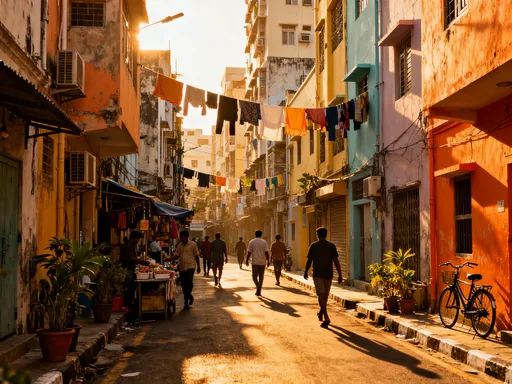
Arriving in Colombo is like stepping into a living kitchen. The air hums with the sizzle of onions hitting hot oil, the sharp tang of lime, and the earthy warmth of roasted cumin. As the sun rises over the Indian Ocean, the city stirs not to the sound of traffic alone, but to the clatter of steel pots, the rhythmic thud of pestle on mortar, and the cheerful calls of vendors setting up their morning stalls. Colombo’s soul isn’t found in its colonial architecture or modern shopping malls—it lives in the steam rising from roadside clay pots and the careful hands shaping dough on worn wooden counters.
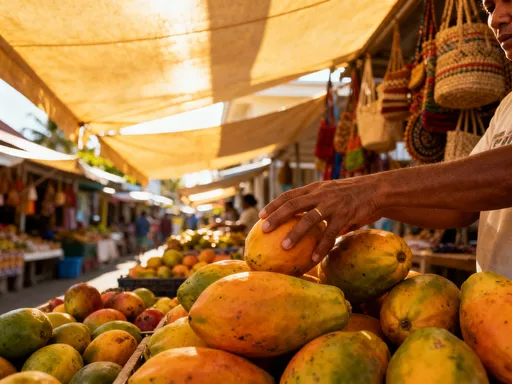
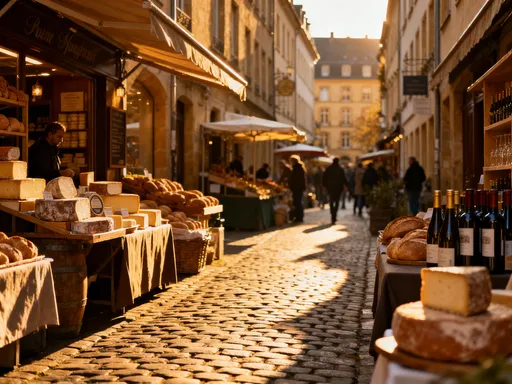
Food here is more than nourishment; it’s the rhythm of daily life. Markets like Pettah and Narahenpita buzz with color and energy, where pyramids of turmeric root sit beside baskets of crimson chilies, and bunches of curry leaves drape like green lace over wooden crates. Vendors shout prices in Sinhala and Tamil, their voices weaving through the scent of cardamom and the sweet perfume of ripe mangoes. These aren’t just places to buy ingredients—they are social hubs where neighbors exchange recipes as freely as they share gossip.
For visitors, embracing Colombo’s food culture means going beyond the guidebook. While temples and museums offer insight into the past, it’s the shared meal that reveals the present. Eating like a local—sitting on a plastic stool by the roadside, using your right hand to scoop rice from a banana leaf, accepting a cup of sweet, milky tea from a stranger—is where true connection happens. This isn’t tourism; it’s participation. And in a city where generations cook the same recipes in the same way, every bite carries memory and meaning.
Breaking Bread (or Hoppers): A Morning Like No Other
Breakfast in Colombo is a ritual of flavor and tradition. Unlike the toast-and-coffee routine familiar to many Western travelers, mornings here begin with something far more adventurous: hoppers. These bowl-shaped pancakes, made from fermented rice flour and coconut milk, are cooked in small iron pans until the edges curl into delicate, lacy rims. The center remains soft, almost custard-like, perfect for cradling a gently fried egg or a spoonful of rich sambal. Each bite offers contrast—crisp and tender, mild and fiery—all in one.
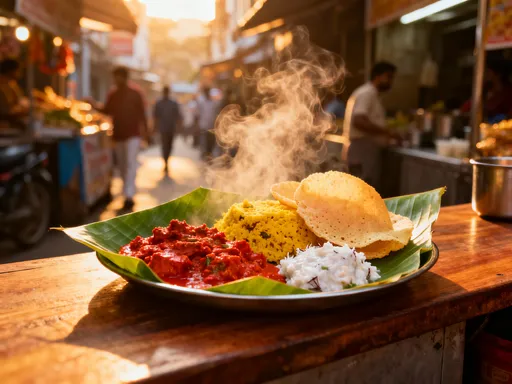
I visited a small eatery in the Maradana neighborhood before sunrise, where a line had already formed by 6:30 a.m. The owner, a woman named Nalini who has run the stall for over thirty years, moved with practiced ease, pouring batter into hot pans with one hand while flipping finished hoppers with the other. Her husband handed out steaming plates wrapped in banana leaves, calling out names with a grin. There were no menus—just a nod, a number, and trust in what the kitchen would serve. This is how locals eat: without hesitation, with deep-rooted confidence in the food and the people who make it.
Alongside hoppers, string hoppers—thin nests of steamed rice vermicelli—are a breakfast staple, often served with coconut sambal and a side of dhal curry. Kottu roti, though more commonly eaten at night, sometimes makes a morning appearance, especially on weekends when families gather for late breakfasts. What makes these dishes unforgettable isn’t just their taste, but the way they’re shared. A plate is rarely eaten alone. It’s passed around, commented on, admired. And always, there’s tea—strong Ceylon tea, sweetened with condensed milk, served in small glasses that warm the palms.
The true companions to these morning dishes are the condiments. Coconut sambal, made from freshly grated coconut, red onion, chili, and lime, brings brightness and heat. Lunu miris, a fiery paste of crushed red onion, chili, salt, and Maldive fish, is not for the faint of heart—but once you acclimate, its umami punch becomes addictive. These small bowls of flavor aren’t afterthoughts; they’re essential, transforming simple rice or hoppers into something extraordinary.
Street Food Safari: Flavors on Every Corner
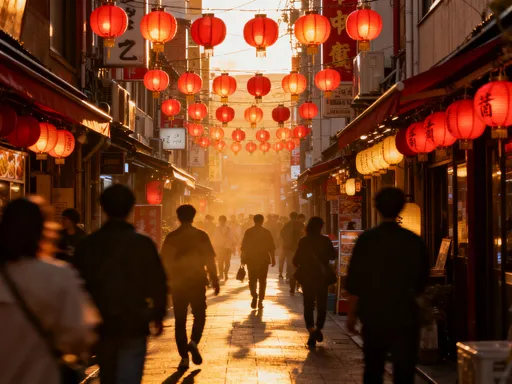
Walking through Pettah’s narrow lanes is like entering a labyrinth of taste. The market district, one of Colombo’s oldest, pulses with energy. Vendors stack crates of dried fish, bundles of cinnamon bark, and sacks of lentils, while shoppers weave through with woven baskets in hand. But it’s the food stalls tucked between shops that draw the real crowds. Here, the air is thick with the scent of frying dough, caramelized onions, and toasted spices. This is where Colombo’s working class eats—and where adventurous travelers can discover some of the city’s most authentic flavors.
I began my street food safari with vadai—golden, donut-shaped fritters made from ground lentils, flavored with curry leaves and mustard seeds. Crispy on the outside, soft within, they’re best eaten hot, straight from the oil. Nearby, a vendor folded samosas with swift hands, stuffing flaky pastry with spiced potatoes and peas. These weren’t the greasy, overfilled versions found in some tourist spots, but light, balanced, and perfectly seasoned. A quick dip in tangy tamarind chutney elevated each bite.
One of the most surprising discoveries was mallung—a finely chopped green salad made from kale or gotukola (a leafy herb), sautéed lightly with grated coconut, onion, and a touch of chili. It’s a common side dish in Sri Lankan homes, valued for its freshness and nutritional benefits. Seeing it served from a roadside cart reminded me that in Colombo, even the simplest dishes are treated with care. No ingredient is wasted, no flavor overlooked.
For first-time visitors, street food can seem intimidating. But the key is knowing where to look. The safest stalls are often the busiest—where locals queue, the turnover is high, and food is cooked fresh to order. Cleanliness matters, but so does instinct. Watch how the vendor handles food, whether utensils are kept separate, and if water is used sparingly. And when in doubt, follow the crowd. If office workers, taxi drivers, and schoolchildren are lining up, you’re likely in good hands. Hydration is also crucial—carry bottled water, and consider bringing digestive aids if you’re new to spicy food. But don’t let caution keep you from trying. Some of Colombo’s best meals cost less than a dollar and leave a lasting impression.
Curry Chronicles: Beyond the Heat
Sri Lankan curry is often misunderstood. To many, the word “curry” conjures images of fiery, oily dishes meant to challenge the palate. But in Colombo, curry is something far more nuanced—a complex interplay of aromatics, textures, and slow-building warmth. It’s not about overwhelming heat; it’s about depth. A single curry might include cinnamon, cloves, fennel, coriander, and mustard seeds, toasted and ground fresh each morning. The base often starts with a “relish” of onions, garlic, and ginger sautéed in coconut oil until golden, forming the foundation for layers of flavor.
I was invited into a family home in Borella for a traditional rice and curry platter—a meal so central to Sri Lankan life that it’s served at weddings, funerals, and everyday dinners alike. The host, Mrs. Perera, laid out a banana leaf and began arranging small bowls of food with pride. There were over ten side dishes: a jackfruit curry simmered with tamarind, a creamy dhal enriched with pandan leaf, a sour green mango curry, and a dry stir-fry of long beans with mustard seeds. Each had its own character, yet together they created harmony.
What makes these curries exceptional is not just the spice mix, but the use of umami-rich ingredients like Maldive fish—dried, cured tuna shaved into flakes and stirred into sambols and curries for depth. Pandan leaf, often tied in a knot and simmered in curries, adds a subtle floral note that balances the heat. And coconut milk, used at different stages of cooking, brings creaminess without heaviness. The rice—steamed white or fragrant red—isn’t just a base; it’s a neutral canvas that allows each flavor to shine.
Cooking these dishes takes time and patience. Mrs. Perera explained that her mother taught her to “listen to the spices”—to wait until the oil separates from the masala, a sign that the flavors have fully bloomed. This attention to detail is why home-cooked meals in Colombo often surpass restaurant versions. While some dishes are spicy, the heat is rarely the focus. Instead, it’s the balance—sweet, sour, salty, bitter, and umami—that defines the cuisine. And for those wary of spice, many curries can be adjusted, with chili added to taste.
Seafood by the Indian Ocean
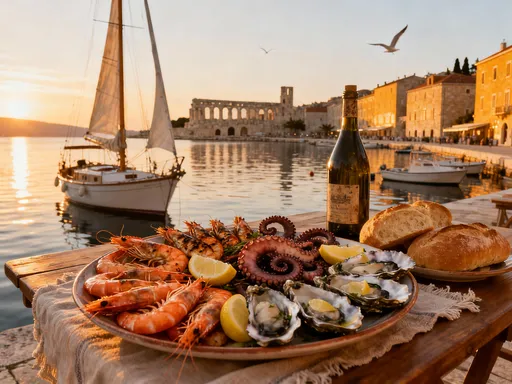
No visit to Colombo is complete without experiencing its coastal flavors. Just a short drive from the city center, the fishing villages of Negombo and Mount Lavinia offer a different side of Sri Lankan cuisine—one shaped by the sea. I chose a small seaside shack in Mount Lavinia, where plastic chairs were arranged on the sand and the menu was scrawled on a chalkboard in fading chalk. The fish had been caught that morning—snapper, kingfish, and prawns pulled straight from the Indian Ocean.
I ordered the grilled snapper, marinated in a paste of mustard seeds, curry leaves, garlic, and a splash of vinegar. It arrived sizzling on a metal platter, skin crisp, flesh tender and flaky. A wedge of lime, a spoonful of onion sambal, and a side of pol roti—a flatbread made with grated coconut—completed the meal. The ocean breeze carried away the smoke, and the sound of waves mingled with the chatter of families sharing meals under string lights. This wasn’t fine dining—it was real, joyful, and deeply satisfying.
Coastal cuisine in Sri Lanka differs from inland dishes in its emphasis on freshness and simplicity. While hill country curries might be rich and complex, coastal cooking lets the quality of the fish speak for itself. Grilling, steaming, and quick curries dominate, preserving the natural sweetness of the seafood. In Negombo, known as “Little Rome” for its colonial churches, I tried a fish ambul thiyal—a sour fish curry made with goraka (a dried fruit that adds tartness), black pepper, and tamarind. It’s a dish designed to last without refrigeration, a legacy of fishermen spending days at sea.
For travelers, these seaside meals offer more than great food—they provide a glimpse into a way of life. Fishing families often run the shacks, and children help serve or clean tables between school hours. The pace is slow, the hospitality warm. And unlike tourist-heavy beach towns elsewhere, these spots remain authentic, where visitors are welcomed not as customers, but as guests. The food may be simple, but the experience is rich—with salt in the air, sand on your feet, and the taste of the ocean in every bite.
Sweet Endings: Treacle, Coconut, and Memory
If savory dishes tell the story of Colombo’s daily life, desserts speak of celebration and tradition. Sri Lankan sweets are not overly sugary; they are fragrant, textured, and often made with natural sweeteners. One of the most unique is kithul treacle—a golden syrup tapped from the flower of the kithul palm, then boiled down into a thick, caramel-like substance. It’s used in cakes, drizzled over pancakes, or eaten by the spoonful as a tonic. Its deep, smoky sweetness is unlike anything found in Western desserts.
I sampled wattalappam at a home in Dehiwala—a rich, spiced custard made with coconut milk, jaggery, eggs, and a hint of cardamom and nutmeg. Baked in small clay pots, it has a silky texture and a warmth that lingers. The family explained that this dish has Malay and Arab influences, a reminder of Sri Lanka’s long history of trade and cultural exchange. It’s often served during Eid and other festivals, passed down through generations with pride.
Fresh fruit is also a daily treat. In Colombo’s markets, you’ll find mangoes so ripe they burst with juice, spiky rambutans with their soft, lychee-like flesh, and creamy papayas served with a sprinkle of chili salt. Vendors sell fruit skewers on the street, a refreshing counterpoint to spicy meals. For something more substantial, I tried a coconut cake from a small bakery in Cinnamon Gardens—moist, fragrant, and subtly sweet, made with freshly grated coconut and baked in a wood-fired oven.
Finding homemade-style desserts in the city requires some exploration. While hotels serve elegant versions, the best are often found in home kitchens, local bakeries, or temple festivals. Ask neighbors, taxi drivers, or shopkeepers for recommendations—they’ll point you to places that don’t appear on maps but serve sweets made with love and tradition. These desserts aren’t just treats; they’re edible memories, connecting people to family, faith, and the land.
How to Eat Your Way Through Colombo (Without Getting Lost)
Exploring Colombo’s food scene is one of the most rewarding travel experiences—but it helps to have a few practical tips. First, timing matters. Breakfast between 6:30 and 8:30 a.m. is ideal for hoppers and string hoppers. Lunch at home-style eateries peaks between 12:30 and 2:00 p.m., while dinner at seaside shacks starts around 7:00 p.m. Street food is available all day, but aim for stalls with high turnover to ensure freshness.
When ordering, don’t hesitate to point or ask for recommendations. Most vendors understand basic English, and a smile goes a long way. Useful phrases include “Can I try a small portion?” “Is this spicy?” and “No chili, please.” If you’re unsure, order mild and add heat with sambal on the side. And always use your right hand when eating with fingers—it’s a sign of respect.
Dining etiquette in Colombo is relaxed but thoughtful. It’s common to share dishes, and finishing everything on your plate is a compliment to the cook. Tipping isn’t expected at street stalls, but a kind word or return visit is appreciated. In restaurants, a 10% tip is customary if service is included.
For digestive comfort, pace yourself. Start with milder dishes and gradually introduce spicier ones. Drink plenty of water, coconut water, or buttermilk to balance the heat. Avoid ice in drinks unless you’re certain it’s made from purified water. And don’t skip meals—eating regularly helps your stomach adjust. If needed, carry over-the-counter digestive aids, but most travelers find that Colombo’s food, while bold, is also nourishing and easy to enjoy with a little care.
Conclusion
Colombo’s cuisine is more than sustenance—it’s connection, history, and joy served on a banana leaf. By stepping off the tourist path and into its food culture, you don’t just visit the city—you live it. So go ahead: taste boldly, eat widely, and let Colombo surprise you.