You Won’t Believe What I Found Wandering Through Melbourne’s Wild Side
You know that feeling when you escape the city buzz and suddenly—bam—you’re face-to-face with nature so raw it takes your breath away? That’s exactly what happened when I started wandering around Melbourne. Beyond the coffee shops and street art, I discovered lush parks, coastal cliffs, and hidden trails I never expected. This city isn’t just urban cool—it’s a natural escape. Let me take you through the green, wild, and absolutely stunning side of Melbourne that most tourists completely miss.
The Urban Escape: Why Nature in Melbourne Surprises Everyone
Melbourne is often celebrated for its cosmopolitan energy—its laneway cafes, fashion boutiques, and vibrant cultural scene. Yet, what many overlook is how seamlessly this urban landscape blends with expansive natural environments. Just minutes from the central business district, towering eucalyptus forests, winding river paths, and coastal boardwalks unfold like hidden chapters of the city’s story. This duality is not accidental. Melbourne consistently ranks among the world’s most livable cities, and a significant reason lies in its commitment to green space. The city dedicates over 17 percent of its metropolitan area to parks and nature reserves, ensuring that no resident lives more than a 10-minute walk from a public park. This intentional integration of nature into urban life creates a unique rhythm—one where city living doesn’t mean sacrificing connection to the outdoors.
What makes Melbourne’s natural offerings even more remarkable is their accessibility. Unlike other global cities where wilderness requires hours of travel, here, a quick tram ride or short drive can transport you from bustling streets to serene bushland. The Yarra River, for instance, begins in the remote Baw Baw ranges over 100 kilometers away, yet flows directly through the heart of the city. Similarly, the Dandenong Ranges rise just 35 kilometers east of the CBD, their misty forests visible from suburban backyards. This proximity allows for spontaneous escapes—no need for extensive planning or vacation time. A morning meeting in the city can be followed by an afternoon walk beneath ancient trees, all within the same day.
One of the most rewarding ways to experience Melbourne’s natural side is through wandering—intentional yet unstructured exploration. Unlike guided tours or checklist-driven sightseeing, wandering invites curiosity and serendipity. It allows travelers to follow bird calls down unnamed paths, pause at unexpected waterfalls, or stumble upon quiet clearings where sunlight filters through the canopy. This slow, sensory approach fosters a deeper connection with place. Research has shown that unstructured time in nature reduces stress, improves mood, and enhances cognitive function. In Melbourne, where nature is never far, such benefits are not reserved for weekend getaways—they are woven into the fabric of daily life.
Royal Botanic Gardens: More Than Just a Pretty Park
Nestled along the southern edge of the Yarra River, the Royal Botanic Gardens Melbourne is far more than an ornamental green space. Spanning 38 hectares, it serves as a living museum of plant biodiversity, a sanctuary for native wildlife, and a peaceful retreat for city dwellers. From the moment you step through its gates near Domain Road, the sounds of traffic fade, replaced by the rustle of leaves, the chirping of honeyeaters, and the gentle splash of ornamental fountains. The air carries the earthy scent of damp soil after rain, mingling with the sweet fragrance of blooming eucalypts and native banksias. Every path invites exploration, every corner offers a new sensory delight.
One of the most immersive experiences within the gardens is the Rainforest Gully. Here, towering tree ferns create a prehistoric atmosphere, their fronds arching overhead like a living cathedral. A narrow path winds beside a cascading stream, where moisture-loving mosses cling to rocks and the occasional eastern spinebill darts between flowering shrubs. The temperature drops noticeably, offering a cool respite on warm days. Equally captivating is the Aboriginal Plant Trail, which highlights species traditionally used by the Kulin Nation for food, medicine, and tools. Interpretive signs explain the cultural significance of plants like murnong (yam daisy) and lomandra, fostering a deeper respect for Indigenous knowledge and sustainable land use.
For visitors planning a visit, timing can make a significant difference in the experience. Early mornings, especially on weekdays, offer the best chance for solitude and wildlife sightings. The gardens open at 7:30 a.m., and arriving at opening time allows for quiet walks before crowds arrive. Late afternoons, particularly in spring and autumn, provide golden light that enhances photography and creates a tranquil ambiance. Guided walks, offered daily by volunteer experts, provide valuable insights into plant ecology and conservation efforts. Topics range from seasonal blooms to birdwatching tips. To avoid peak crowds, consider entering from the Anderson Street gate, which is less frequented than the main entrance near the Shrine of Remembrance.
The Yarra River: A Natural Spine Through the City
The Yarra River is more than a scenic backdrop—it is a vital ecological corridor that shapes Melbourne’s identity. Originating in the Yarra Ranges National Park, its waters travel over 240 kilometers before emptying into Port Phillip Bay. Along the way, it passes through diverse landscapes, from dense forests to urban wetlands, supporting a wide range of flora and fauna. Within the city, the river functions as a green spine, connecting parks, trails, and neighborhoods. Its banks have been transformed into continuous walking and cycling paths, making it one of the most accessible natural features in Melbourne.
One of the most popular stretches for wandering begins at the Burke Street ramp in Abbotsford and follows the Merri Creek Trail south to Southbank. This 10-kilometer route offers a dynamic mix of natural and urban scenery. On one side, you’ll see rehabilitated riverbanks with planted native grasses and river red gums; on the other, glimpses of city architecture and industrial heritage. The path is well-maintained and suitable for all fitness levels, making it ideal for families, joggers, and casual strollers. Along the way, benches and viewing platforms provide opportunities to pause and absorb the surroundings. Early risers may spot a kookaburra perched on a low branch or catch sight of a southern water dragon basking on a rock.
Wildlife observation is a highlight of any Yarra River excursion. Despite its urban setting, the river supports over 160 bird species, including the striking sulphur-crested cockatoo and the elusive white-faced heron. Native fish like the Australian grayling and tupong are gradually returning thanks to habitat restoration projects. Community-led initiatives, such as the Yarra Riverkeeper Association, work to reduce pollution, remove invasive species, and educate the public about river health. Visitors can contribute by staying on designated paths, avoiding littering, and respecting wildlife. Even small actions—like not feeding ducks—help maintain the river’s ecological balance.
Dandenong Ranges: Where the City Fades Away
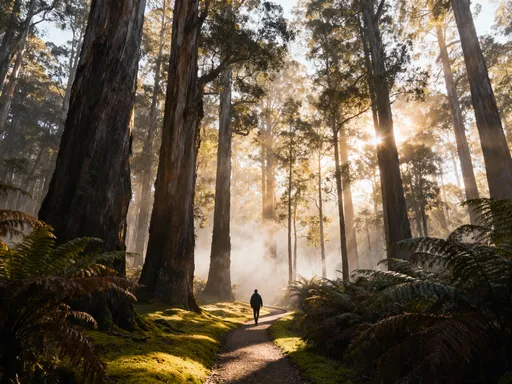
Just a short journey east of Melbourne, the Dandenong Ranges rise like a green fortress, shielding the city from the open plains beyond. Here, the air cools, the light softens, and the scent of damp earth and mountain ash fills the lungs. This region, part of the traditional lands of the Wurundjeri people, is characterized by cool temperate rainforests, fern gullies, and panoramic lookouts. On misty mornings, clouds cling to the treetops, creating an almost mystical atmosphere. The towering mountain ash trees—some over 80 meters tall—stand as silent sentinels, their trunks wrapped in thick moss and lichen. Walking beneath them feels like stepping into another world, one where time slows and the mind unwinds.
Among the most cherished trails in the Dandenongs is the 1000 Steps Kokoda Track. Originally created to honor Australian soldiers who fought in Papua New Guinea during World War II, this path ascends through a lush corridor of tree ferns and blackwood trees. Though named for its approximate number of wooden steps, the trail is not overly strenuous—most walkers complete it in about 45 minutes at a moderate pace. Along the way, interpretive signs share stories of the Kokoda campaign, blending natural beauty with historical reflection. At the top, a viewing platform offers sweeping views of the valley, particularly striking in autumn when the introduced European trees add splashes of red and gold to the green canopy.
Another must-visit destination is Sherbrooke Forest, renowned for its population of superb lyrebirds. These remarkable birds, known for their ability to mimic chainsaws, camera shutters, and other birds, are most active in the early morning and late afternoon. The Lyrebird Nature Walk, a gentle loop trail, provides excellent opportunities for quiet observation. The forest floor is carpeted with fallen leaves and ferns, and the air is rich with the scent of wet bark. For those seeking a longer hike, the Don Valley Track connects several forest reserves, offering a full day of immersive bushwalking. Public transport options, including the Belgrave and Lilydale train lines, make the Dandenongs accessible without a car. Alight at Kallista or Belgrave stations and follow local walking maps to trailheads.
St Kilda Beach and Port Phillip Bay: Coastal Magic at Your Doorstep
Just seven kilometers from Melbourne’s center, St Kilda Beach offers a surprising coastal escape. With its wide stretch of golden sand, palm-lined promenade, and views across Port Phillip Bay to the You Yangs, it feels like a seaside resort despite being part of the city. The foreshore trail, which runs from St Kilda to Port Melbourne, is one of the most popular walking and cycling routes in Melbourne. Paved and well-lit, it caters to all ages and abilities. Morning joggers, families on bikes, and dog walkers share the path, all drawn by the refreshing sea breeze and open skies.
One of the most enchanting experiences at St Kilda is visiting the penguin parade at dusk. Every evening, around half an hour after sunset, little penguins—some of the smallest in the world—emerge from the water and waddle across the breakwater to their burrows in the nearby dunes. This natural spectacle, protected by conservation fencing and volunteer monitors, draws visitors from around the globe. Viewing is strictly regulated to minimize disturbance, but the experience of watching these tiny creatures navigate the rocks under dim lighting is unforgettable. The St Kilda Adventure Playground and historic Luna Park add a family-friendly dimension, making the area ideal for full-day outings.
Seasonal changes bring different moods to the bay. Summer days are lively, with picnics, kite flying, and beach volleyball. Winter offers solitude, with long walks along the shore and dramatic skies. Early mornings are particularly peaceful, often shrouded in sea mist, with only the sound of waves and distant gulls. For photographers, sunrise over the bay provides soft, golden light that illuminates the Melbourne skyline in the distance. Cyclists can extend their journey along the Bay Trail, which continues all the way to Williamstown and beyond. With public restrooms, cafes, and ample seating, the foreshore is both scenic and practical—a true urban coastal gem.
Lysterfield Park: A Hidden Gem for Solitude and Trails
Tucked away in Melbourne’s southeast, Lysterfield Park remains one of the city’s best-kept secrets. Unlike more famous destinations, it sees fewer tourists, offering a sense of solitude that’s increasingly rare near urban centers. Spanning over 1,000 hectares, the park features a large freshwater lake, open woodlands, and a network of trails designed for walking, mountain biking, and birdwatching. The moment you enter, the pace shifts. Cars give way to gravel paths, and the hum of traffic is replaced by the call of galahs and the rustle of kangaroos in the underbrush. It’s the kind of place where you can walk for an hour and see only a handful of others—perfect for quiet reflection or mindful wandering.
One of the park’s highlights is its lake, which supports native fish and waterbirds. Kayaking and stand-up paddleboarding are permitted in designated areas, offering a unique perspective of the shoreline. For walkers, the Lysterfield Lake Circuit—a 6.5-kilometer loop—provides a comprehensive tour of the park’s diverse habitats. You’ll pass through stringybark forests, open grasslands, and wetland edges where herons and egrets stalk their prey. Birdwatchers may spot the crimson rosella, the laughing kookaburra, or even the endangered growling grass frog. The park’s biodiversity is carefully managed, with ongoing efforts to control foxes, weeds, and feral cats that threaten native species.
Accessibility is straightforward, with multiple entry points via Lysterfield Road and Stud Road. The main visitor area includes parking, picnic shelters, and clean restroom facilities. While there are no cafes within the park, nearby towns like Berwick and Narre Warren offer dining options. The park is especially popular with mountain bikers, thanks to its internationally recognized trail system. However, shared-use paths ensure that walkers can enjoy the space safely. Whether you come for a morning walk, an afternoon paddle, or a quiet moment by the water, Lysterfield Park offers a genuine escape without requiring a full-day commitment. It’s proof that peace and nature are still within reach, even in a growing city.
Wandering with Purpose: How to Plan Your Own Nature Journey
Exploring Melbourne’s natural side doesn’t require elaborate planning or expensive gear. The key is to approach each outing with intention, even if the destination is spontaneous. Start by choosing a general area based on time and interest—whether it’s a riverside stroll, a coastal walk, or a forest hike. Consider how much time you have: a two-hour window might suit the Royal Botanic Gardens or the Yarra River path, while a half-day allows for a trip to the Dandenongs or Lysterfield Park. Public transport options make many of these locations accessible without a car, and apps like PTV (Public Transport Victoria) provide real-time updates on train and tram schedules.
Once you’ve selected a location, check weather conditions and trail accessibility. Parks Victoria, the agency managing most of Melbourne’s natural reserves, offers up-to-date information on track closures, fire danger ratings, and wildlife alerts. While digital maps are helpful, consider downloading offline versions or carrying a printed trail guide to avoid reliance on phone signals, which can be weak in forested areas. Essential items include comfortable walking shoes, a reusable water bottle, sunscreen, and a light jacket—even on warm days, shaded trails can be cool. A small notebook or camera can enhance the experience, allowing you to record observations or capture fleeting moments of beauty.
As you walk, practice mindfulness to deepen your connection with nature. Instead of rushing from point A to B, pause frequently. Listen to bird calls, observe insect life on leaves, or simply feel the texture of tree bark. This slow, attentive approach transforms a simple walk into a restorative practice. Studies have shown that spending just 20 minutes in nature can lower cortisol levels, the hormone associated with stress. By wandering with purpose—curious, present, and open to surprise—you invite the kind of moments that stay with you long after the walk ends. Melbourne’s wild side isn’t just a place; it’s a mindset, a reminder that wonder is waiting just beyond the pavement.
Melbourne’s natural landscapes offer more than scenic views—they provide a vital counterbalance to urban life. From the tranquil depths of the Royal Botanic Gardens to the coastal rhythms of St Kilda and the misty heights of the Dandenongs, these spaces invite rejuvenation, reflection, and rediscovery. The beauty of it all is that adventure doesn’t demand a passport or a packed suitcase. It begins with a step outside, a willingness to wander, and an openness to what nature reveals. The wild is not somewhere far away. In Melbourne, it’s woven into the city’s soul, waiting just around the next bend, ready to surprise you.